

 EnglishEN
 ItalianoIT
 DeutschDE
 PortuguêsPT
 FrançaisFR
 РусскийRU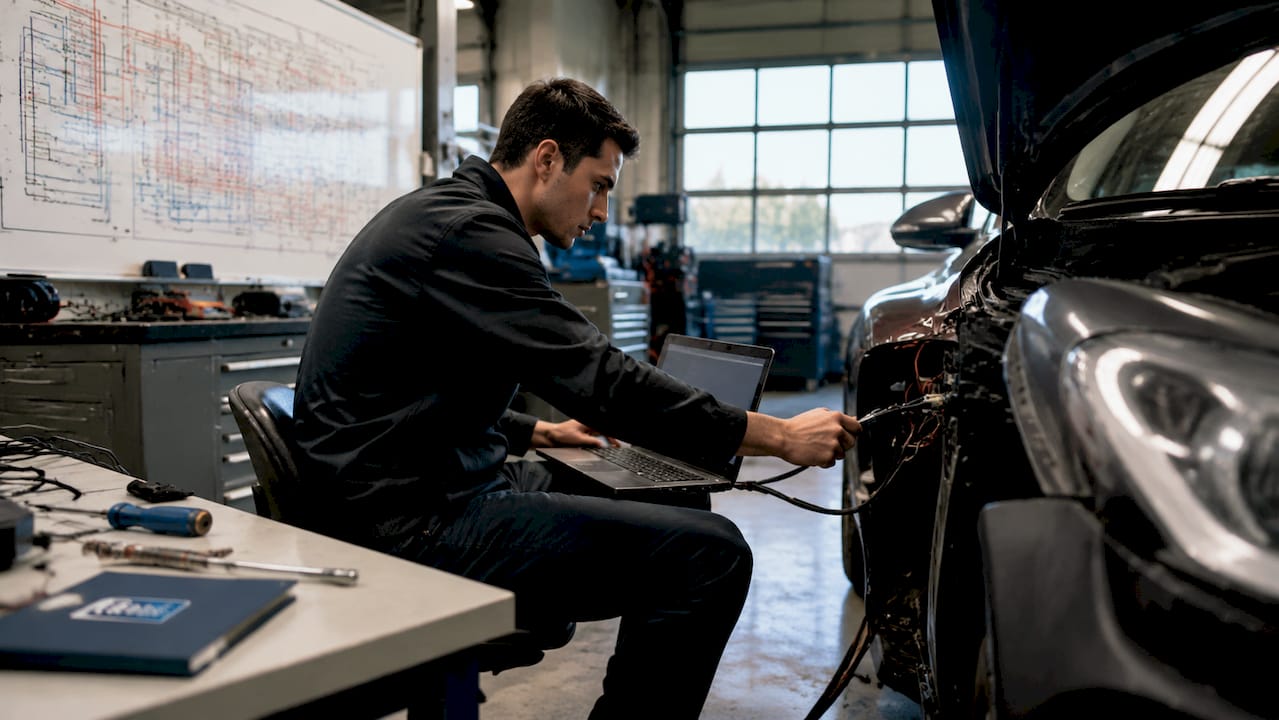
El sistema “drive-by-wire” remapping consiste en recalibrar electrónicamente la relación entre la señal del acelerador —procedente del pedal de aceleración— y el ECU, con el fin de mejorar la respuesta del acelerador, reducir el retraso y personalizar el comportamiento del vehículo. A diferencia de los antiguos sistemas mecánicos, los vehículos modernos utilizan sensores electrónicos y unidades de control para interpretar las acciones del conductor, lo que significa que la curva de respuesta del acelerador está definida íntegramente por software y es totalmente ajustable. El término técnico de la industria para este proceso es «calibración del control electrónico del acelerador» (ETC), aunque «drive-by-wire remapping» es la expresión que más se utiliza en la práctica. Comprender qué es el «drive-by-wire remapping» y en qué se diferencia de un controlador de acelerador básico es el punto de partida para cualquier profesional que trabaje en la gestión de motores modernos.
Tabla de contenido
- ¿Cómo funciona la tecnología «drive-by-wire» en los vehículos modernos?
- ¿En qué se diferencia el sistema «drive-by-wire» remapping de un controlador de respuesta del acelerador?
- ¿Cuáles son las ventajas y los retos del sistema «drive-by-wire» remapping?
- Cómo abordar el sistema «drive-by-wire» remapping en la práctica
- Puntos Clave
- La visión del tuner sobre el sistema «drive-by-wire» remapping
- Cómo TuningBot es compatible con el sistema profesional «drive-by-wire» remapping
- PREGUNTAS FRECUENTES
- Recomendado
¿Cómo funciona la tecnología «drive-by-wire» en los vehículos modernos?
El sistema «drive-by-wire» (DbW) sustituye los sistemas de articulación mecánicos o hidráulicos tradicionales por sensores electrónicos, ECU y actuadores para controlar el acelerador, la dirección y los frenos. El pedal del acelerador contiene un sensor de posición que convierte la presión del pie en una señal electrónica. Esa señal se transmite al ECU, que calcula el ángulo correcto de apertura del cuerpo del acelerador y envía una orden a un motor eléctrico situado en el cuerpo del acelerador. El resultado es un sistema totalmente control electrónico del acelerador bucle sin cable físico entre el pie y el motor.
Esta arquitectura permite a los fabricantes controlar con precisión cómo interpreta el vehículo las acciones del conductor. El ECU puede aplicar diferentes mapas de aceleración en función del modo de conducción modo, la temperatura del motor o las condiciones de tracción. Los sistemas DbW deben cumplir con los estándares de seguridad funcional ISO 26262 Nivel D, la clasificación más alta en seguridad automotriz, para gestionar el riesgo de fallas electrónicas. Dicho estándar requiere sensores redundantes y un diseño tolerante a fallos para que el vehículo mantenga el control si un componente falla.
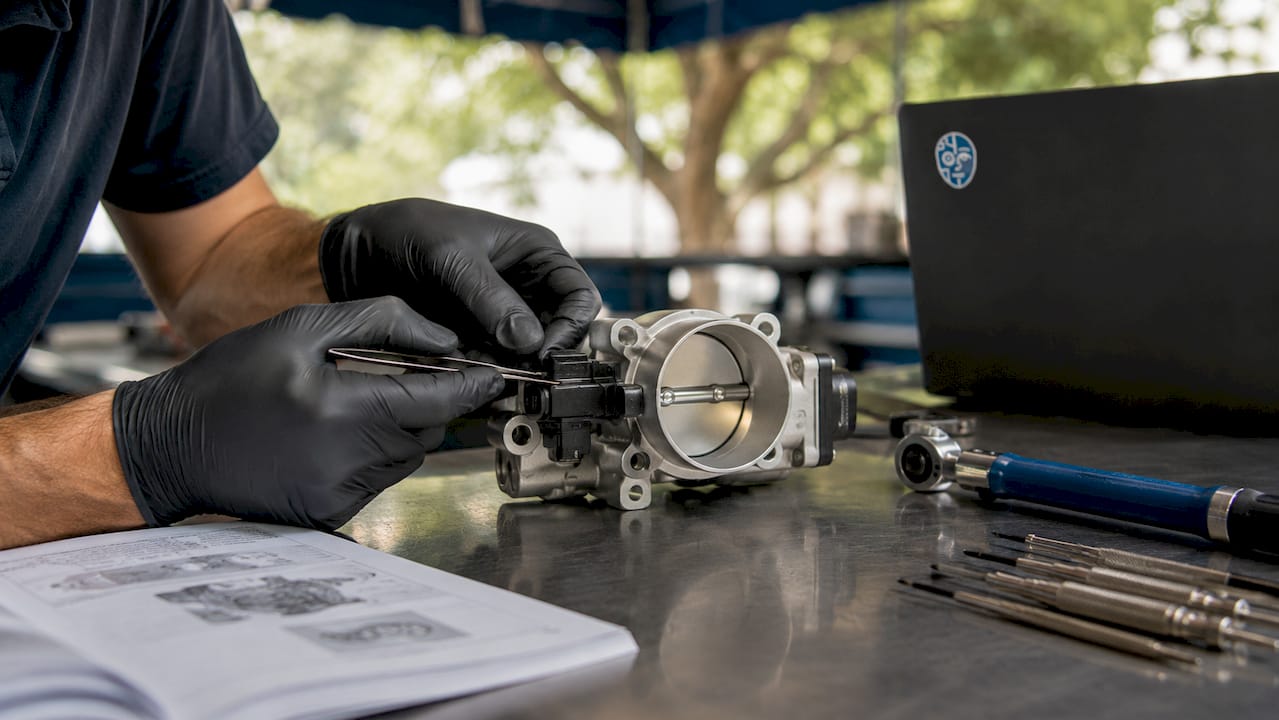
La tecnología drive-by-wire va mucho más allá del acelerador. Dirección por cable y frenado por cable eliminar componentes mecánicos adicionales, reduciendo el peso del vehículo y permitiendo características de conducción definidas por software en todas las entradas de control. Los sistemas de respuesta háptica simulan la resistencia física que los vínculos mecánicos proporcionaban antes de forma natural. Sin esa respuesta sintética, los conductores informan de una sensación de desconexión que socava la confianza.
Componentes clave en un sistema de aceleración por cable (DbW):
- Sensor de posición del pedal del acelerador (APPS): Convierte el ángulo del pedal en una señal de voltaje, típicamente de doble canal por redundancia.
- Mapa de aceleración de la ECU: La tabla de búsqueda que traduce el porcentaje de posición del pedal al porcentaje de apertura del cuerpo del acelerador.
- Cuerpo de aceleración electrónico (ETB): Una válvula accionada por motor eléctrico que abre y cierra físicamente la entrada de aire.
- Sensor de posición del acelerador (TPS) Confirma la posición real del cuerpo del acelerador y envía la información al ECU para el control en bucle cerrado.
- Actuador de respuesta háptica: Genera resistencia en el pedal para simular sensación mecánica en implementaciones premium de DbW.
Consejo profesional: Al diagnosticar una respuesta lenta del acelerador en un vehículo con control electrónico (DbW), registre siempre los datos del APPS y del TPS simultáneamente. Una discrepancia entre la posición del acelerador ordenada y la real apunta a una falla de hardware, no a un problema de calibración.
¿En qué se diferencia el sistema «drive-by-wire» remapping de un controlador de respuesta del acelerador?
El sistema «drive-by-wire» remapping modifica directamente el mapa del acelerador de la ECU, alterando la forma en que el software de gestión del motor interpreta la señal del pedal en todo el rango de funcionamiento. Un controlador de respuesta del acelerador, a veces denominado «pedal box», intercepta la señal entre el sensor del pedal y el ECU y modifica la curva electrónicamente sin intervenir en el software de la ECU. Ambos métodos alteran la respuesta percibida del acelerador, pero actúan a niveles fundamentalmente diferentes del sistema.
Controladores de respuesta del acelerador Interceptan las señales del pedal para ajustar la curva del acelerador, pero no modifican los mapas de inyección ni de encendido. Una caja de pedales hace que los primeros 20% del recorrido del pedal se comporten como 40%, lo que genera una respuesta inicial más ágil. El motor sigue recibiendo la misma cantidad máxima de combustible y aire que siempre. La mejora es puramente perceptiva, no mecánica.
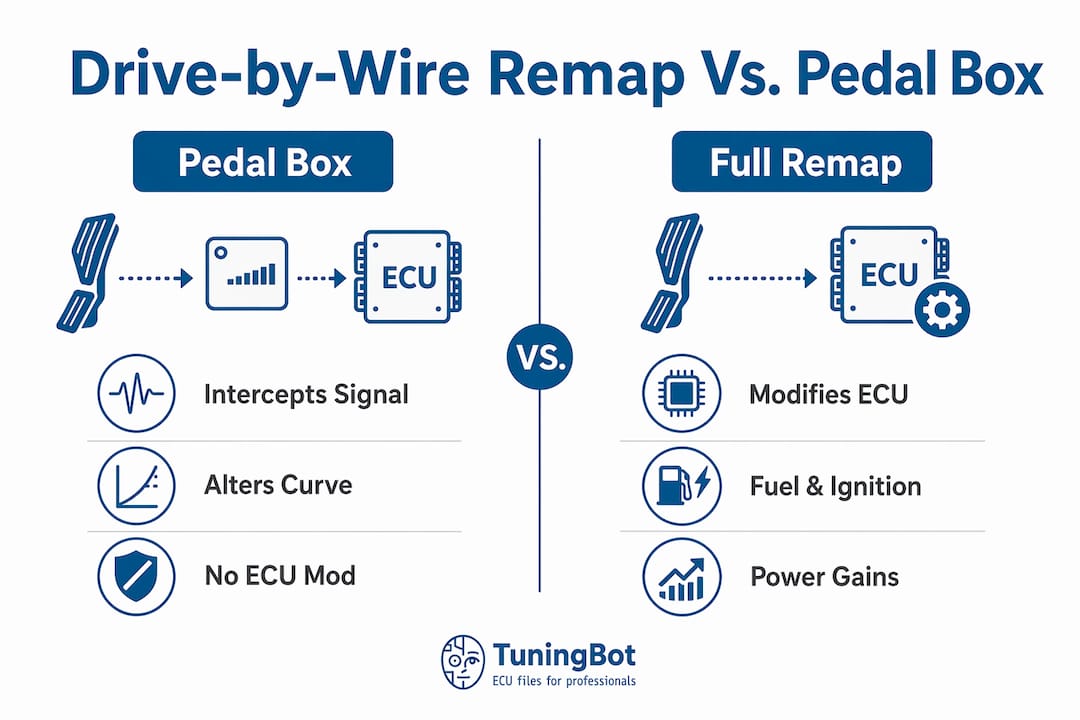
El paquete completo ECU remapping ajusta la inyección de combustible, el tiempo de encendido, la presión boost y la curva del acelerador de forma conjunta como un paquete calibrado. Los controladores de hardware cuestan entre $150 y $400, mientras que los paquetes completos ECU remap tienen un precio a partir de $500, dependiendo de la plataforma, y proporcionan un aumento real de la potencia. Esa diferencia de precio refleja el alcance del trabajo: un remap modifica toda la estrategia de gestión del motor, no solo un punto de interceptación de la señal.
| Característica | Controlador de respuesta del acelerador | Completo ECU remap |
|---|---|---|
| Modifica el software ECU | No | Sí |
| Modifica la inyección de combustible y el encendido | No | Sí |
| Aumento de potencia real | No | Sí |
| Ajuste de la curva de aceleración | Sí | Sí |
| Reversibilidad | Extracción conectarylisto | Requiere reflasheo |
| Coste típico | $150–$400 | $500 y superiores |
Los dos enfoques no son mutuamente excluyentes. Combinando ambos ofrece una mejor sensación al volante y un aumento real de la potencia al mismo tiempo. Un tuner podría sustituir al remap por el ECU para obtener la potencia del Stage 1 y añadir una caja de pedales para agudizar la respuesta inicial del acelerador en pista modo sin volver a tocar el remap.
Consejo profesional: Nunca utilices un controlador de respuesta del acelerador ajustado en su modo más agresivo (modo) en un ECU recién programado con remap sin registrar primero los datos del resultado. El efecto combinado puede hacer que la demanda de aceleración supere lo previsto en las tablas de inyección del remap a bajas revoluciones, lo que provocaría una mezcla pobre.
¿Cuáles son las ventajas y los retos del sistema «drive-by-wire» remapping?
La principal ventaja de los ajustes «drive-by-wire» del remapping es la eliminación del retraso en la respuesta del acelerador impuesto de fábrica. Las calibraciones de los fabricantes de equipo original (OEM) son deliberadamente conservadoras. Los fabricantes ajustan los mapas del acelerador para cumplir con la normativa de emisiones, garantizar un comportamiento suave de la transmisión automática y lograr una amplia aceptación en el mercado, independientemente de la calidad del combustible y la altitud. Una configuración profesional remap elimina esas limitaciones para un vehículo, un conductor y un uso concretos.
Los beneficios del sistema de conducción por cable van más allá de la respuesta pura. DbW permite la personalización del esfuerzo de dirección, la sensación de frenado y la respuesta del acelerador para diferentes modos de conducción modes. Un ECU equipado con remap puede incorporar varios mapas de aceleración: uno suave para ciudad, otro lineal para conducción deportiva y otro agresivo para circuito, todos ellos seleccionables sin necesidad de modificaciones de hardware. Ese nivel de personalización era imposible con un cable de acelerador mecánico.
Ventajas principales del sistema profesional «drive-by-wire» remap:
- Eliminación del retraso del acelerador: Elimina el retraso entre la pulsación del pedal y la respuesta del motor causado por el mapeo conservativo de fábrica.
- Configuración personalizada de modes: El ECU cuenta con varias curvas de aceleración almacenadas para uso urbano, deportivo y en circuito.
- Integración con sistemas de estabilidad: Los mapas de aceleración remapeados funcionan con el control de crucero adaptativo y el control de tracción sin generar conflictos.
- Refinamiento de la gestión de par: Ajusta la forma en que el ECU limita el par durante los cambios de marcha para lograr una entrega de potencia más suave.
- Aumentos en la eficiencia del combustible: Un mapa de aceleración lineal reduce la tendencia a presionar demasiado el pedal, lo que puede disminuir el consumo de combustible en la conducción normal.
Los riesgos son reales y concretos. Un ajuste incorrecto del remapping puede provocar la aparición de códigos de avería o un funcionamiento en modo de emergencia (limp mode) debido a una discrepancia entre la acción sobre el pedal y el comportamiento esperado del motor. Si se modifica el mapa del acelerador sin realizar los ajustes correspondientes en la inyección de combustible y los límites de par, el sistema detecta una inconsistencia y pasa por defecto a un modo de funcionamiento seguro.
“Los sistemas de conducción por cable (drive-by-wire) son redes complejas gestionadas por software que deben calibrarse rigurosamente para interpretar la intención del conductor de forma segura y predecible. La naturaleza de red informática del DbW se subestima frecuentemente. No se trata simplemente de cables sustituidos por conexiones eléctricas. Cyberseguridad: riesgos y complejidad del sistema aumentan con cada actualización de software, y cualquier remap que bypasses supere los umbrales de seguridad del fabricante de equipos originales (OEM) genera responsabilidad para el tuner.
Las implicaciones en materia de garantía son una preocupación práctica para los talleres. Cualquier modificación que altere la calibración de fábrica puede anular la garantía del fabricante sobre el sistema de propulsión. Los especialistas en tuning deben documentar cada cambio e informar a los clientes al respecto antes de comenzar el trabajo.
Cómo abordar el sistema «drive-by-wire» remapping en la práctica
Un sistema profesional «drive-by-wire» remap sigue un flujo de trabajo estructurado. Saltarse pasos provoca errores de calibración que resultan difíciles de localizar a posteriori. El proceso que se describe a continuación refleja la práctica profesional actual para la calibración del acelerador ECU.
- Registro de datos de referencia. Registra la tensión de APPS, la posición del TPS, el porcentaje de apertura del acelerador y la carga del motor a lo largo de un ciclo de conducción completo antes de intervenir en el ECU. De este modo se determina el comportamiento de fábrica y se identifican los posibles fallos existentes.
- Lectura ECU. Utiliza una herramienta compatible, como Alientech KESS3, AutoTuner o Magic Motorsport, para leer el archivo binario completo de la ECU. Comprueba el ID de la ECU y la versión del software antes de modificar cualquier mapa.
- Identificación del mapa de aceleración. Localiza la tabla de demanda del acelerador en el archivo binario ECU. En las plataformas Bosch EDC17 y MED17, suele tratarse de un mapa de ejes de 16×16 o 20×20 indexado por la posición del pedal y el régimen del motor.
- Mapa modificación. Ajusta la curva del acelerador para eliminar la zona muerta de fábrica en los primeros 15–25% del recorrido del pedal. Mantén el límite máximo de aceleración del fabricante original para preservar los umbrales de seguridad. Compara los mapas de inyección de combustible y de par motor para confirmar que sean coherentes.
- Corrección y validación de checksum. Vuelve a calcular todos los checksum antes de guardar el archivo. Un checksum incorrecto provoca un fallo inmediato de ECU al arrancar. El Proceso de calibración del remap file requiere una verificación binaria cada stage.
- Registro de datos posterior a remap. Repite el ciclo de conducción de referencia y compara la respuesta del APPS con la del TPS. Confirma que la nueva curva ofrece la respuesta prevista sin sobreimpulso ni oscilación.
- Verificación de respuesta háptica. En los vehículos con respuesta de pedal activa, confirme que el perfil de resistencia sigue coincidiendo con las expectativas del conductor. La calibración requiere equilibrio mayor capacidad de respuesta conservando la sensación mecánica natural para evitar una sensación de conducción desconectada.
El error más habitual es ajustar el mapa del acelerador de forma aislada. El ECU cruza la demanda del acelerador con la solicitud de par, la inyección de combustible y los puntos de cambio de la transmisión. Un mapa del acelerador que exija una apertura de 80% con un recorrido del pedal de 40% entrará en conflicto con un limitador de par ajustado para una demanda de 40%. El resultado es un «punto muerto» o un código de error (DTC), no una mejora del rendimiento.
Consejo profesional: En plataformas con turbocompresor, comprueba siempre el mapa de demanda del boost tras ajustar el mapa del acelerador. Una curva de aceleración más agresiva aumenta la demanda de boost antes en el rango de revoluciones. Si el mapa de boost no se ajusta en consecuencia, el turbo entrará en funcionamiento más rápido de lo que prevé la tabla de inyección, lo que provocará un pico de mezcla pobre.
La combinación de un controlador de respuesta del acelerador con un ECU y un remap completos ofrece lo mejor de ambos enfoques. El remap se encarga de la inyección de combustible y el boost, de la gestión del par, lo que permite obtener un aumento real de la potencia. La caja de pedales ajusta con precisión la sensación inicial del pedal sin necesidad de otra reprogramación de la ECU. Esta combinación resulta especialmente eficaz en vehículos de uso diario en los que el conductor desea una respuesta propia de circuito en el modo deportivo modo, pero una sensación más relajada en el tráfico.
Puntos Clave
El sistema «drive-by-wire» remapping solo ofrece mejoras reales en el rendimiento cuando el mapa del acelerador se calibra como parte de una estrategia completa de gestión del motor, y no como un ajuste aislado de la señal.
| Punto | Detalles |
|---|---|
| DbW sustituye los varillajes mecánicos | Los sensores electrónicos y los ECU controlan el acelerador, lo que exige el cumplimiento de la norma ISO 26262, nivel D, en materia de seguridad. |
| Reprogramación frente a pedal box | Las reprogramaciones completas de la ECU modifican la inyección y el encendido para obtener un aumento real de potencia; los controladores del acelerador solo desplazan la curva de la señal del pedal. |
| El costo y el alcance difieren | Los controladores del acelerador cuestan entre $150 y $400; los sistemas completos de ECU y remap tienen un precio a partir de $500 y abarcan toda la estrategia de gestión del motor. |
| El flujo de trabajo de calibración importa | El registro de datos, la corrección checksum y la validación posterior a remap son pasos obligatorios, no comprobaciones opcionales. |
| Combinando ambos enfoques | La combinación de un remap con un controlador del acelerador proporciona un aumento de potencia y una respuesta más precisa del acelerador sin necesidad de realizar ninguna reprogramación adicional. |
La visión del tuner sobre el sistema «drive-by-wire» remapping
El sistema «drive-by-wire» remapping es donde los vehículos definidos por software cobran verdadero interés para tuners. La capacidad de almacenar múltiples perfiles de aceleración en un único archivo binario ECU y cambiar entre ellos en función de una entrada del salpicadero o de una señal del bus CAN representa un nivel de personalización del vehículo que los sistemas mecánicos nunca podrían alcanzar. Hemos trabajado en plataformas en las que una sola sesión de calibración generaba tres caracteres de conducción distintos a partir del mismo hardware.
El aspecto que se suele subestimar es el bucle de retroalimentación. El verdadero valor del DbW reside en la personalización del comportamiento del vehículo, pero ese valor desaparece si la retroalimentación háptica resulta artificial o si la curva del acelerador se excede. Los conductores son sensibles a la sensación del pedal de formas que no siempre pueden expresar con palabras. Un remap que parece perfecto en un banco de pruebas puede resultar incómodo en la carretera si el perfil de retroalimentación sintética no se ajusta a la nueva curva de aceleración.
The cybersecurity dimension is the area we expect to define the next phase of professional remapping. DbW demands vigilance against cybersecurity threats and requires rigorous calibration to maintain predictable control. As vehicles move toward fully software-defined architectures, the attack surface for ECU modifications grows. Workshops that treat remapping as a purely mechanical skill will find themselves unprepared for that shift. The tuners who understand the full computing network behind a DbW system will be the ones clients trust with their vehicles.
Our advice: approach every drive-by-wire remap as a systems calibration job, not a map edit. Read the full binary, understand how throttle demand interacts with torque management and fueling, and validate every change with data logging. The car remapping fundamentals have not changed. The complexity of the systems they apply to has.
— Equipo Técnico de TuningBot
Cómo TuningBot es compatible con el sistema profesional «drive-by-wire» remapping
TuningBot helps workshops handle drive-by-wire remapping as part of a complete ECU calibration workflow, not as an isolated pedal-signal adjustment. Engineers review throttle request maps together with fueling, ignition, torque management and boost control so the final file remains coherent across the full engine-management strategy.
Before starting a job, workshops can check transparent pricing on the Lista de Precios de TuningBot, verify supported platforms through Cobertura del servicio ECU, review available Servicios ECU, and then upload the original ECU file directly through Reprograma tu archivo. The workflow is direct: no prepaid credits, no registration barrier and no unnecessary dealer-gatekeeping.
For Bosch, Continental, Delphi, Marelli and Denso ECUs, TuningBot supports the professional toolchains workshops already use, including Alientech KESS3, AutoTuner, Magic Motorsport, CMD, Dimsport and PCMFlash. That makes TuningBot a practical file-service layer for tuners who need fast, engineer-backed calibration without breaking their existing read/write workflow.
PREGUNTAS FRECUENTES
¿Qué es el sistema «drive-by-wire» remapping en términos sencillos?
Drive-by-wire remapping is the process of modifying the ECU’s throttle map to change how the vehicle responds to accelerator pedal input. It removes factory-imposed lag and allows custom throttle curves for different driving modes.
¿El sistema «drive-by-wire» remapping aumenta la potencia?
Un simple cambio en el mapa de aceleración no aumenta la potencia. Sin embargo, un ajuste completo de ECU y remapping —que modifica la inyección de combustible, el tiempo de encendido y boost— junto con el mapa de aceleración sí que produce un aumento real de la potencia.
¿Cuál es la diferencia entre una caja de pedales y un ECU remap completo?
Una caja de pedales intercepta la señal del acelerador y modifica la curva sin intervenir en el software ECU, con un coste de entre $150 y $400. Una actualización completa del software de gestión del motor permite aumentar la potencia real, con precios a partir de $500.
¿Puede el sistema «drive-by-wire» remapping provocar averías o el modo de funcionamiento limitado limp mode?
Sí. Una calibración incorrecta que provoque un desajuste entre la demanda del acelerador y los límites de inyección de combustible o de par puede activar códigos de avería o el modo de funcionamiento limitado limp mode. El recálculo correcto del checksum y el registro de datos posterior al remap evitan que esto ocurra.
¿Qué norma de seguridad se aplica a los sistemas de dirección por cable?
Los sistemas DbW deben cumplir con la norma ISO 26262 Nivel D, la clasificación de seguridad funcional automotriz más alta, lo que requiere sensores redundantes y un diseño tolerante a fallos para evitar la pérdida de control del vehículo.