

 EnglishEN
 ItalianoIT
 EspañolES
 PortuguêsPT
 FrançaisFR
 РусскийRU
Das Stage-3-Tuning gilt als die aggressivste Stage der ECU-Kalibrierung und erfordert umfassende Hardware-Anpassungen sowie eine sicherheitskritische Neukalibrierung der Schutzkurven für Zündzeitpunkt, Luft-Kraftstoff-Verhältnis (AFR) und Abgastemperatur (EGT). Die häufigen Fallstricke beim 3-Tuning, die diese Projekte zum Scheitern bringen, treten nicht zufällig auf. Sie folgen vorhersehbaren Mustern: vernachlässigter Grundzustand, generische Dateien, übersprungene Validierung, nicht kompatible Hardware und instabile ECU-Programmierbedingungen. Selbst professionelle Tuner, die Tools wie WinOLS, Alientech KESS3 und AutoTuner verwenden, stoßen auf diese Fehler, wenn die Verfahrensdisziplin nicht eingehalten wird. Dieser Artikel identifiziert jede Falle genau, erklärt, warum sie auftritt, und gibt Ihnen den technischen Rahmen an die Hand, um sie zu vermeiden.
Inhaltsverzeichnis
- Grundlegende Fahrzeuggesundheit
- Generische oder billige Tuning-Files
- Validierung und Datenprotokollierung
- Unterstützung von Hardware-Upgrades
- Elektrische und Softwarestabilität
- Schutzkalibrierungstabellen
- Langzeit-Kalibrierungsüberprüfung
- Das Wichtigste in Kürze
- Warum die Reihenfolge wichtig ist
- Wie TuningBot hilft
- FAQ
1. Häufige Fallstricke beim stage-3-Tuning beginnen mit der Überprüfung des Grundzustands des Fahrzeugs
Die meisten Ausfälle des remap sind auf bereits bestehende Mängel und mangelhafte Diagnosetechniken zurückzuführen, nicht auf Fehler in der Kalibrierungsberechnung selbst. Eine Stage-3-Tuning-Maßnahme bringt jedes System an seine Grenzen. Jede Schwachstelle, die bereits vor dem remap vorhanden war, wird danach garantiert zu einer Ausfallursache.
Bevor auch nur ein Byte an die ECU geschrieben wird, sind folgende Prüfungen unabdingbar:
- Gespeicherte und ausstehende DTCs: Codes erst nach Behebung der Grundursache löschen. Eine ausstehende Fehlzündung oder ein MAF-Fehler wird die neue Kalibrierung sofort destabilisieren.
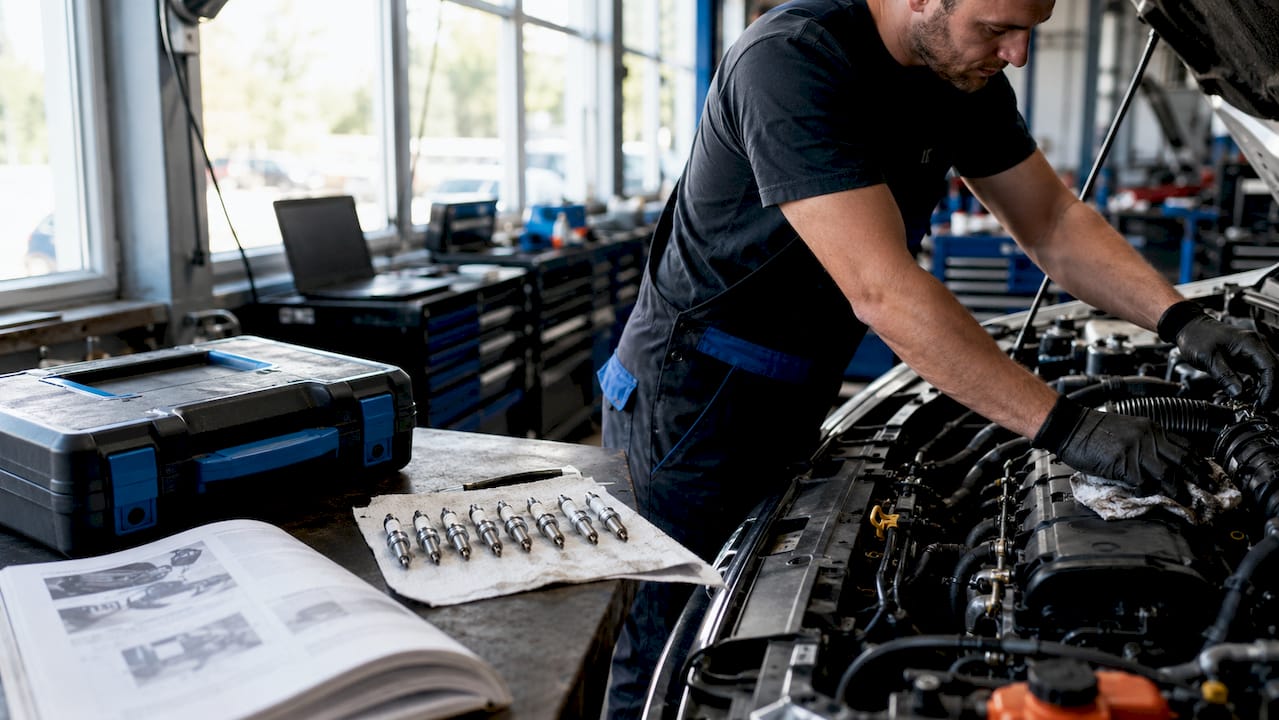
- Zündanlage: Abgenutzte Zündkerzen führen bei hohen Drehzahlen zu Fehlzündungen. Tauschen Sie die Zündkerzen aus und überprüfen Sie die Zündspulen vor jedem Prüfstandstest.
- Kraftstoffsystem: Überprüfen Sie den Raildruck-Regelbereich und die Kraftstoffpumpen-Fördermenge im Verhältnis zur Ziel-Ausgangsleistung. Unterdimensionierte Einspritzdüsen verursachen magere Gemischzustände bei maximaler Last.
- Kühlsystem: Ein thermostatisch gesteuerter Lüfter oder ein teilweise blockierter Kühler löst während aufeinanderfolgender Prüfstandsläufe Überhitzungsschutzabschaltungen aus.
- Ölzustand: Frisches Öl mit dem richtigen Viskositätsgrad schützt die Lager unter dem erhöhten Zylindrdruck, den ein Stage 3 Tuning erzeugt.
Vorbereitung vor dem Dyno Inklusive neuer Zündkerzen, Dichtheitsprüfung, stabilen Temperaturen und sauberen Protokollen – das ist es, was eine produktive Abstimmungssitzung von einer verschwendeten trennt. Das Überspringen dieses Schritts kostet mehr an verlorener Dyno-Zeit als die Vorbereitung selbst.
Pro-Tipp: Führen Sie einen vollständigen OBD-Scan mit Echtzeit-Datenaufzeichnung durch, bevor das Fahrzeug auf den Prüfstand kommt. Überprüfen Sie die Freeze-Frame-Daten auf etwaige Fehlercodes vom Typ historical. Ein Code, der sich vor drei Wochen selbst gelöscht hat, stellt unter Stage-3-Last weiterhin einen Risikofaktor dar.
2. Verwendung generischer oder kostengünstiger Tuning-Dateien für stage-3-Builds
Standard-Produktionstuning ignoriert fahrzeugspezifische Hardwarekonfigurationen und beinhaltet keine Diagnose vor oder nach dem Tuning, was direkt die Wahrscheinlichkeit eines Kalibrierungsfehlers erhöht. Die Kosteneinsparungen sind kurzfristig real. Die Konsequenzen nicht.
Eine Stage-3-Kalibrierung erfordert die Erweiterung von Kennfeldachsen über die Werkseinschränkungen für Luftmasse, Drehmoment und Einspritzung. Achsenskalierung in WinOLS ermöglicht es dem Steuergerät, Werte über die Serieneinstellungen hinaus zu erkennen, und Drehmomenttabellen müssen angepasst werden, um die Leistung zu maximieren, ohne die werkseitigen Begrenzer auszulösen. Eine generische Datei tut nichts davon unter Berücksichtigung Ihrer spezifischen Turbo-, Einspritzdüsen- und Ladeluftkühler-Kombination.
Die Risiken von billigen oder generischen Stage-3-Dateien umfassen:
- Keine hardwareabhängige Kalibrierung: Boost-Ziele, Einspritzmengen- und Zündzeitpunktkennfelder sind nicht auf Ihren tatsächlichen Turbolader, die Durchflussrate der Einspritzdüsen oder die Effizienz des Ladeluftkühlers abgestimmt.
- Keine checksum-Korrektur: Ein fehlerhafter checksum-Code führt dazu, dass das Steuergerät die Datei ablehnt oder den Fallback mode ausgibt, was häufig fälschlicherweise als Hardwarefehler diagnostiziert wird.
- Keine Post-Tuning-Unterstützung: Wenn nach dem Flashen Fahrprobleme auftreten, steht kein Ingenieur zur Verfügung, um Logs zu analysieren oder die Datei zu überarbeiten.
- Erhöhtes Klopfrisiko: Ohne eine fahrzeugspezifische Zündzeitpunktkalibrierung ist Klopfen unter Last ein vorhersehbares Ergebnis, keine entfernte Möglichkeit.
Der Unterschied zwischen einer generischen $50-Datei und einer professionell kalibrierten remap-Datei liegt nicht nur im Preis. Es ist der Unterschied zwischen einer Abstimmung, die auf dem Papier funktioniert, und einer, die 10.000 Meilen im realen Einsatz übersteht.
3. Überspringen der professionellen Validierung und der Datenprotokollierung
Die Komplexität der Kalibrierung der Stage 3 erfordert Tests auf dem Rollenprüfstand sowie eine Breitband-Luft-Kraftstoff-Verhältnis-Überwachung (AFR) zur Überprüfung des Verbrennungszustands in Echtzeit. Tuner, die diesen Schritt überspringen, arbeiten ohne die Gewissheit, dass die Kalibrierung unter Last sicher ist.
Ein Rollenprüfstand simuliert reale Fahrbelastungen, die bei einer Testfahrt nicht konsistent nachgestellt werden können. Aufeinanderfolgende Durchläufe zeigen das Wärmeentwicklungsverhalten, die Konsistenz des boost und die Stabilität des Luft-Kraftstoff-Verhältnisses über den gesamten Drehzahlbereich. Eine einzelne Testfahrt zeigt Ihnen, dass das Fahrzeug beschleunigt. Ein Prüfstandstest zeigt Ihnen, ob dies sicher geschieht.
Die kritischen Datenkanäle, die während jeder Validierungssitzung der Stage 3 protokolliert werden müssen, sind:
- Breitband-Lambdasonde Zielwert 12,0 bis 12,5 bei vollem boost-Zyklus für Anwendungen mit Zwangsaufladung. Jeder Magergemisch-Anstieg über 13,0 bei Spitzenlast birgt die Gefahr von Klopfen.
- Klopfregleraktivität: Klopfzählungen pro Zylinder protokollieren. Jeder Wert ungleich Null unter Last erfordert eine sofortige Reduzierung des Zündzeitpunkts.
- Ladedruck (aktuell vs. Ziel): Ein Wert über boost oder unter boost deutet auf Probleme mit dem Wastegate, dem boost-Steuergerät oder dem Turbolader hin, die durch die Kalibrierung nicht ausgeglichen werden können.
- EGT (Abgastemperatur): Ein anhaltend hoher Abgastemperatur (EGT) über sicheren Grenzwerten verursacht Schäden an der Turbinenrad- und Fehlfunktion des Katalysators.
- Ansauglufttemperatur Ein Anstieg der IAT zwischen den Zügen deutet auf eine Überhitzung des Ladeluftkühlers hin, was die Ladedichte beeinträchtigt und das Klopfrisiko erhöht.
Pro-Tipp: Betrachten Sie die erste Prüfstandssitzung als Messsitzung, nicht als Leistungssitzung. Erstellen Sie saubere Basisprotokolle über alle Kanäle, bevor Sie Kalibrierungsänderungen vornehmen. Dieser Ansatz identifiziert Hardwareprobleme, bevor sie zu Kalibrierungsproblemen werden.
4. Notwendige Hardware-Upgrades übersehen
Nicht aufeinander abgestimmte Hardware und überhöhte Anforderungen sind eine der häufigsten Ursachen für Fehler beim Stage-3-Tuning, insbesondere bei Antriebsstrang- und Wärmemanagementsystemen. Die ECU-Kalibrierung ist nur so zuverlässig wie die Hardware, die sie steuert.
Die folgende Tabelle zeigt die häufigsten Hardware-Lücken und ihre direkten Folgen:
| Unterstützendes System | Häufiger Fehlermodus | Folge |
|---|---|---|
| Kupplung und Getriebe | Drehmomentkapazität überschritten | Kupplungsrutschen, Getriebeschaden |
| Ladeluftkühler | Hitzestau unter anhaltender Last | IAT Anstieg, Leistungsverlust, Klopfen |
| Zündspulen und Zündkerzen | Fehlzündung bei hohem boost | Zylinderreinigung, Schaden an Katalysator |
| Auspuffanlage | Hoher Gegendruck, eingeschränkter Durchfluss | Erhöhte Abgastemperatur, reduzierte Turboaufladung |
| Kraftstoffpumpe und Einspritzdüsen | Unzureichender Durchfluss bei Spitzenlast | Magerer AFR, Detonationsrisiko |
Jedes dieser Systeme interagiert direkt mit der ECU-Kalibrierung. Eine Kupplung, die unter Drehmoment durchrutscht, verursacht nicht nur mechanischen Verschleiß. Sie erzeugt inkonsistente Lastsignale, die Prüfstanddaten verfälschen und die Kalibrierungsvalidierung unzuverlässig machen. Abgasgegendruck Dies wirkt sich direkt auf die Turbinaufladungsrate und die Abgastemperatur (EGT) aus, was bedeutet, dass eine restriktive Abgasanlage die gesamte boost- und Einspritzstrategie untergräbt, auf der die Kalibrierung basiert.
Die korrekte Reihenfolge ist zuerst die Hardware, dann die Kalibrierung. Der Versuch, eine unzureichende Hardware abzustimmen, führt zu einem Kompromiss, der weder die Leistungs- noch die Zuverlässigkeitsziele erfüllt.
5. Stolpersteine bei der ECU-Programmierung bezüglich elektrischer und Softwarestabilität
Moderne Steuergeräte erfordern eine stabile Batteriespannung und eine stabilisierte Stromversorgung während der Programmierung, um beschädigte Datenbeschreibungen zu verhindern. Dies ist eine prozedurale Anforderung und keine Vorsichtsmaßnahme. Ein Spannungsabfall während des Schreibvorgangs kann ein Steuergerät unbrauchbar machen, und die Wiederherstellung eines beschädigten Flash-Speichers ist teuer und zeitaufwendig.
Die Batterie- und elektrische Stabilität während der ECU-Programmierung ist genauso wichtig wie die Kalibrierungsmathematik selbst. Eine schwache Batterie, die im Ruhezustand 12,4 V hält, kann unter dem Stromverbrauch der Programmierschnittstelle auf 11,8 V abfallen, was ausreicht, um einen Schreibzyklus auf Bosch MED17- und EDC17-Plattformen zu unterbrechen.
Die Vorabprüfliste für sicheres Schreiben von Steuergeräten umfasst:
- Batteriespannung: Ruhespannung über 12,6 V bestätigen. Alle Batterien, die diesen Schwellenwert unterschreiten, vor der Programmierung austauschen.
- Batterie-Stützeinheit Schließen Sie ein dediziertes Netzteil an, das auf 13,5 V eingestellt ist, um eine stabile Spannung während des gesamten Schreibvorgangs aufrechtzuerhalten.
- Zündungsstatus: Befolgen Sie das spezifische ECU-Plattformprotokoll. Einige ECUs erfordern Zündung an ohne laufenden Motor; andere erfordern eine spezifische Schlüsselzyklussequenz.
- Schnittstellenverbindung: Stellen Sie sicher, dass die OBD- oder Prüfstandverbindung sicher ist und das Kommunikationsprotokoll bestätigt ist, bevor Sie den Schreibvorgang starten.
- Laptop-Stromversorgung: Stellen Sie sicher, dass das abstimmende Laptop an das Stromnetz angeschlossen ist. Ein Ausfall der Laptop-Batterie während des Schreibens birgt dasselbe Risiko wie ein Spannungseinbruch bei der Fahrzeugbatterie.
Pro-Tipp: Wenn Sie an Bosch EDC17 oder MED17 Steuergeräten über Bench-Flash arbeiten, überprüfen Sie immer das Pinout anhand der spezifischen Hardware-Revision und nicht nur der Steuergerätefamilie. Pinout-Abweichungen innerhalb derselben Steuergerätefamilie sind eine dokumentierte Ursache für fehlgeschlagene Schreibvorgänge und beschädigte Dateien.
6. Falsches Lesen der Schutz-Kalibrierungstabellen des Steuergeräts
Ein Stage 3 Tuning erfordert eine Neukalibrierung der Schutz-ECU-Tabellen und nicht nur eine Erhöhung der boost- und Kraftstoffzufuhr-Sollwerte. Tuner, die sich ausschließlich auf die leistungssteigernden Kennfelder konzentrieren und dabei Drehmomentbegrenzer, boost-Überschreitungsschutz sowie EGT-Abschalttabellen auf den Serienwerten belassen, erstellen eine Kalibrierung, die unter Last gegen sich selbst arbeitet.
Die werkseitige Motorsteuerung verfügt über mehrere Schutzstufen: Drehmomentbegrenzer, lastabhängige Zündverzögerungskurven, Druckabschaltschwellen für den boost-Sensor sowie EGT-abhängige Kraftstoffanreicherungstabellen. Bei einem Stage-3-Tuning sind diese Tabellen auf einen Serienmotor kalibriert. Sie begrenzen oder drosseln die Leistung aktiv genau an den Betriebspunkten, für die das Stage-3-Tuning ausgelegt ist.
Zu den spezifischen Tabellen, die bei den meisten ECU-Plattformen von Bosch und Continental angepasst werden müssen, gehören die Karte für die maximale Drehmomentanforderung, der Schwellenwert für die Drucküberwachung boost, die lastabhängige Zündverzögerungstabelle und die Karte für die EGT-Schutzanreicherung. Werden diese Werte auf den OEM-Werten belassen, während die Leistungsziele der Stage 3 angestrebt werden, führt dies zu unregelmäßigem Verhalten: Leistungsabfall bei hohen Drehzahlen, unerwartete Zündverzögerung unter boost und eine Kraftstoffanreicherung, die im Widerspruch zur primären Kraftstoffzufuhrstrategie steht.
Hier bietet professionelle Software wie WinOLS einen klaren Vorteil. Dank der Funktionen zum Vergleich von Kennfeldern und zur Skalierung der Achsen kann der tuner alle betroffenen Tabellen systematisch identifizieren und anpassen, anstatt sich auf Versuch und Irrtum auf dem Prüfstand zu verlassen.
7. Die Abstimmung von stage 3 als einmaligen Vorgang behandeln
Die Kalibrierung der Stage 3 ist kein Vorgang, den man einmal einrichtet und dann vergessen kann. Die Kalibrierung steht in Wechselwirkung mit Hardware, die sich im Laufe der Zeit abnutzt, verschleißt und verändert. Der Wirkungsgrad des Turboladers sinkt, wenn sich Ablagerungen am Verdichterrad ansammeln. Das Sprühmuster der Einspritzdüsen verschiebt sich, wenn sich die Düsen abnutzen. Die Effizienz des Ladeluftkühlers nimmt ab, wenn sich im Kern Ölverunreinigungen aus dem PCV-System ansammeln.
Eine Abstimmung, die zum Zeitpunkt der ersten Prüfstandstests sicher und optimal war, kann 18 Monate später nur noch knapp ausreichen, wenn die Hardware veraltet ist. Die Sicherer Tuning-Workflow Das Prinzip der kontinuierlichen Datenerfassung gilt während der gesamten Lebensdauer des Fahrzeugs, nicht nur während der anfänglichen Kalibrierungsphase.
Planen Sie bei Fahrzeugen der Stage 3 regelmäßige Überprüfungen der Datenprotokolle alle 10.000 bis 15.000 Meilen ein. Vergleichen Sie die aktuellen Werte für Luft-Kraftstoff-Verhältnis (AFR), Klopfen und die Konsistenz des boost mit den Referenzprotokollen aus der ursprünglichen Prüfstandssitzung. Jede Abweichung außerhalb des festgelegten Toleranzbereichs ist ein Hinweis darauf, dass eine Untersuchung erforderlich ist, bevor es zu einem Ausfall kommt.
Das Wichtigste in Kürze
Um häufige Fehler bei der stage-3-Abstimmung zu vermeiden, sind eine konsequente Diagnose vor der Abstimmung, fahrzeugspezifische Kalibrierungsdateien, eine professionelle Validierung auf dem Prüfstand, kompatible Hardware sowie stabile elektrische Bedingungen während der ECU-Programmierung erforderlich.
| Punkt | Einzelheiten |
|---|---|
| Grundgesundheit ist nicht verhandelbar | Beheben Sie alle Fehlercodes, tauschen Sie die Zündkerzen aus und überprüfen Sie das Kraftstoff- und Kühlsystem, bevor Sie mit der Stage 3 (remap) beginnen. |
| Generische Dateien verursachen vorhersehbare Ausfälle | Für Stage-3-Umrüstungen sind ausschließlich fahrzeugspezifische Kalibrierungen mit checksum-Korrektur und technischer Unterstützung geeignet. |
| Dyno-Validierung bestätigt Sicherheit | Erfassen Sie AFR, Klopfaktivität, boost, EGT und IAT auf einem Rollenprüfstand, bevor Sie die Stage-3-Abstimmung abschließen; die Leitfaden zur Interpretation von ECU-Protokollen ist die richtige interne Referenz für die Überprüfung dieser Kanäle. |
| Hardware muss den Abstimmungsanforderungen entsprechen | Upgrade von Kupplung, Ladeluftkühler, Zündung, Auspuff und Kraftstoffsystem müssen der Abstimmung vorausgehen, nicht danach erfolgen. |
| Elektrische Stabilität verhindert ECU-Schäden | Verwenden Sie eine Batteriestützeneinheit über 13,5 V und überprüfen Sie alle Verbindungen, bevor Sie einen ECU-Schreibzyklus starten. |
Warum die Einstellung „erst tunen, dann reparieren“ Tuner auch 2026 noch Geld kostet
Ich habe im Laufe der Jahre Hunderte von Kalibrierungsprojekten der Stage 3 geprüft, und das Muster hinter den Fehlschlägen ist fast immer dasselbe. Die tuner oder die Werkstatt haben Geschwindigkeit über Abfolge gestellt. Sie wollten die Leistungsdaten, noch bevor die Vorbereitungen abgeschlossen waren.
Die unangenehme Wahrheit ist, dass das Tuning der Stage 3 ebenso sehr eine Frage des Projektmanagements wie eine technische Fertigkeit ist. Die Kalibrierung selbst, die in WinOLS mit korrekter Achsenumsetzung und Anpassung der Schutz-Tabelle durchgeführt wird, ist der einfache Teil. Der schwierige Teil besteht darin, einen Kunden davon zu überzeugen, dass das Fahrzeug die Hardware $800 benötigt, bevor die $400 remap Sinn macht. Die meisten Tuning-Fehler, die ich sehe, sind keine Kalibrierungsfehler. Es handelt sich um Kommunikationsprobleme zwischen dem tuner und dem Kunden darüber, was Stage 3 tatsächlich erfordert.
Meine beständige Empfehlung ist, die Validierungscheckliste Das Gespräch sollte ein fester Bestandteil des Verkaufsprozesses sein und nicht erst im Nachhinein stattfinden. Wenn Kunden verstehen, dass ein Stage-3-Tuning ohne passenden Ladeluftkühler und neue Zündkomponenten ein Risiko darstellt, treffen sie fundiertere Entscheidungen. Und wenn tuners ihre Überprüfungen vor dem Tuning und die Prüfstandsprotokolle systematisch dokumentiert, schützt sich das Unternehmen vor Gewährleistungsstreitigkeiten und wiederholten Ausfällen.
Die tuners-Modelle, die durchweg zuverlässige Ergebnisse der Stage 3 liefern, sind nicht diejenigen mit den aggressivsten Kalibrierungen. Es sind diejenigen mit den diszipliniertesten Arbeitsabläufen.
— TuningBot Technisches Team
Wie TuningBot Ihnen hilft, diese 3 Fehler bei stage zu vermeiden
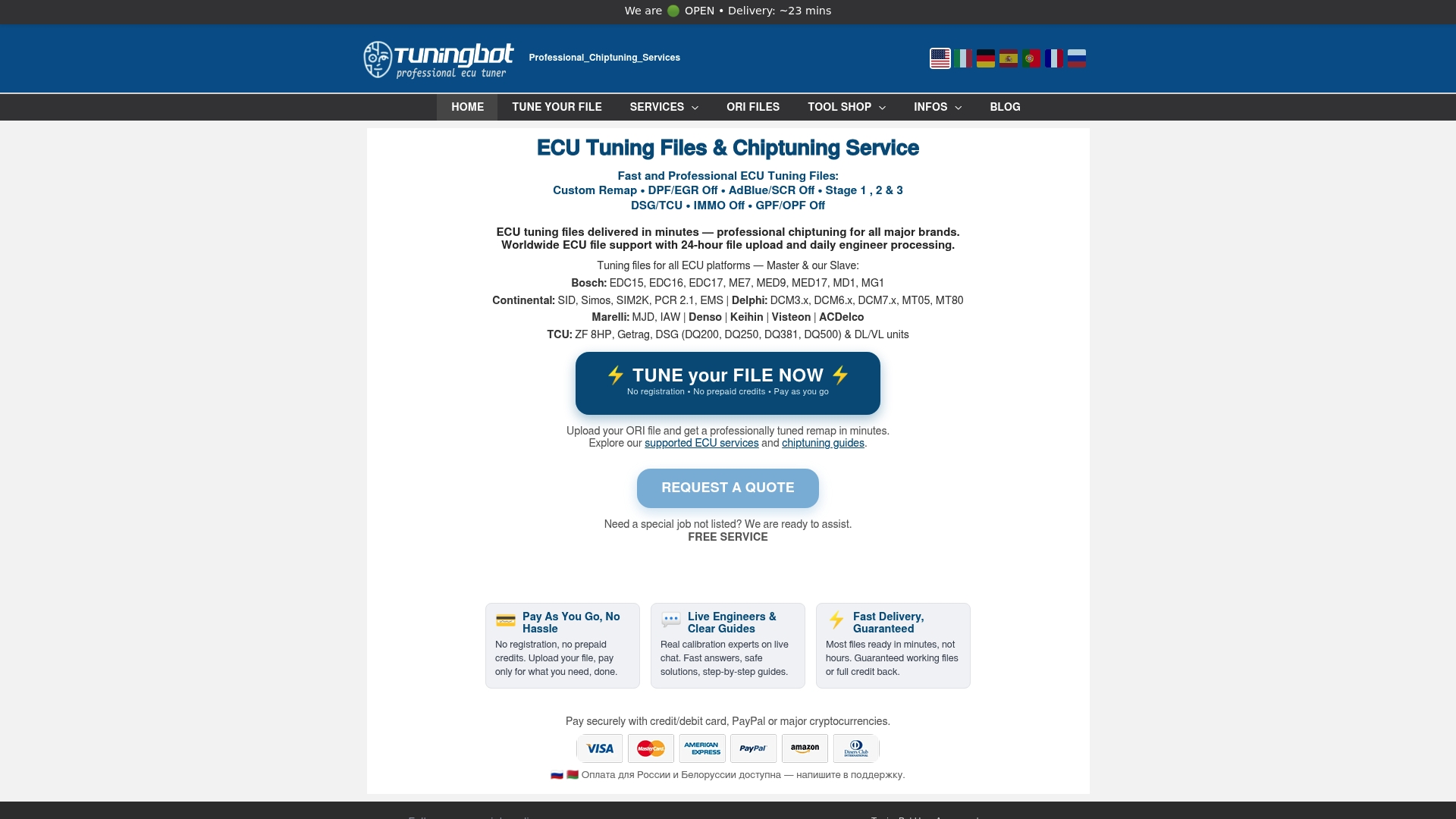
TuningBots ECU-Service-Abdeckung matrix bietet professionellen tuners-Anwendern und Werkstätten eine übersichtliche Möglichkeit, vor der Bestellung einer Stage-3-Datei zu prüfen, welche Steuergeräte und Servicekombinationen unterstützt werden. Die Plattform unterstützt Steuergeräte von Bosch, Continental, Delphi, Marelli und Denso und ist kompatibel mit Alientech KESS3, AutoTuner, Magic Motorsport, CMD und PCMFlash. Es sind weder Prepaid-Guthaben noch eine Registrierung erforderlich. Prüfen ECU-Service-Abdeckung, laden Sie dann Ihre ECU-Datei über Datei tunen, geben Sie Ihr Hardware-Setup an und erhalten Sie eine fahrzeugspezifische Kalibrierung, die von einer technischen Überprüfung unterstützt wird. Für Werkstätten, die mit erweiterte ECU remapping Auf Stage 3 der Komplexität bietet TuningBot die Dateiqualität und Workflow-Unterstützung, mit der generische Dateidienste nicht mithalten können.
FAQ
Was ist die häufigste Ursache für einen Ausfall des remap im Stadium 3?
Die meisten Ausfälle in Stage 3 sind eher auf ein Fahrzeug mit bereits bestehenden Mängeln, schwacher Hardware oder generischen Kalibrierungsdateien zurückzuführen als auf Fehler im Tuning-Prozess selbst. Eine gründliche Diagnose vor dem Tuning beseitigt die meisten dieser Fehlerquellen, bevor an der Steuereinheit gearbeitet wird.
Benötige ich einen Prüfstand für Stage 3 Tuning?
Ja. Es ist ein Chassis-Dyno-Test mit dem Breitband-Luft-Kraftstoff-Verhältnis-Monitor erforderlich, um sicherzustellen, dass Zündzeitpunkt, Kraftstoffzufuhr und EGT-Schutz unter realen Lastbedingungen sicher sind. Ein Test auf der Straße allein kann die dauerhaften Lastbedingungen, die zur Validierung einer Stage-3-Abstimmung erforderlich sind, nicht nachbilden.
Welche unterstützenden Upgrades sind für ein Stage 3 Tuning erforderlich?
Mindestens erfordert ein Stage 3-Umbau einen verbesserten Ladeluftkühler, einen Hochleistungs-Auspuff, eine verstärkte Kupplung oder ein verstärktes Getriebe, das für das Zielmoment ausgelegt ist, neue Zündkomponenten und ein Kraftstoffsystem, das in der Lage ist, den Spitzenbedarf an der Einspritzdüsen-Betriebszeit zu decken. Hardware-Lücken in einem dieser Bereiche beeinträchtigen die Kalibrierung.
Kann eine schwache Batterie meine ECU während des remapping-Vorgangs beschädigen?
Ja. Spannungsschwankungen während der Programmierung können den ECU-Schreibvorgang beschädigen und das Gerät unbrauchbar machen. Schließen Sie immer eine Batterie-Unterstützungseinheit mit 13,5 V an, bevor Sie einen Flash auf Bosch-, Continental- oder Marelli-Plattformen starten.
Wie oft sollte eine Kalibrierung der Stage 3 überprüft werden?
Überprüfen Sie die Datenprotokolle alle 10.000 bis 15.000 Meilen und vergleichen Sie das Luft-Kraftstoff-Verhältnis (AFR), die Klopfwerte und die Konsistenz des boost mit der ursprünglichen Prüfstand-Baseline des. Durch den Verschleiß der Hardware im Laufe der Zeit kann eine zuvor sichere Kalibrierung außerhalb der zulässigen Toleranzen geraten.