

 EnglishEN
 ItalianoIT
 DeutschDE
 EspañolES
 PortuguêsPT
 FrançaisFR
Модернизация выхлопной системы remap — это процесс перенастройки программного обеспечения ЭБУ вашего автомобиля после установки модифицированной выхлопной системы с целью приведения системы управления двигателем в соответствие с новыми характеристиками воздушного потока. Без этой перенастройки ЭБУ продолжает работать по консервативным заводским картам впрыска топлива, разработанным для оригинальной выхлопной системы original. В результате автомобиль лучше «дышит» благодаря новому оборудованию, но не может в полной мере использовать это преимущество. TuningBot сотрудничает с автомастерскими и профессионалами по всему миру, предлагая индивидуальные настройки, устраняющие этот разрыв — от настроек Stage 1 до полной перекалибровки систем контроля выбросов на платформах Bosch, Delphi, Marelli и других основных платформах ЭБУ.
Что такое модернизация выхлопной системы remap и как она работает?
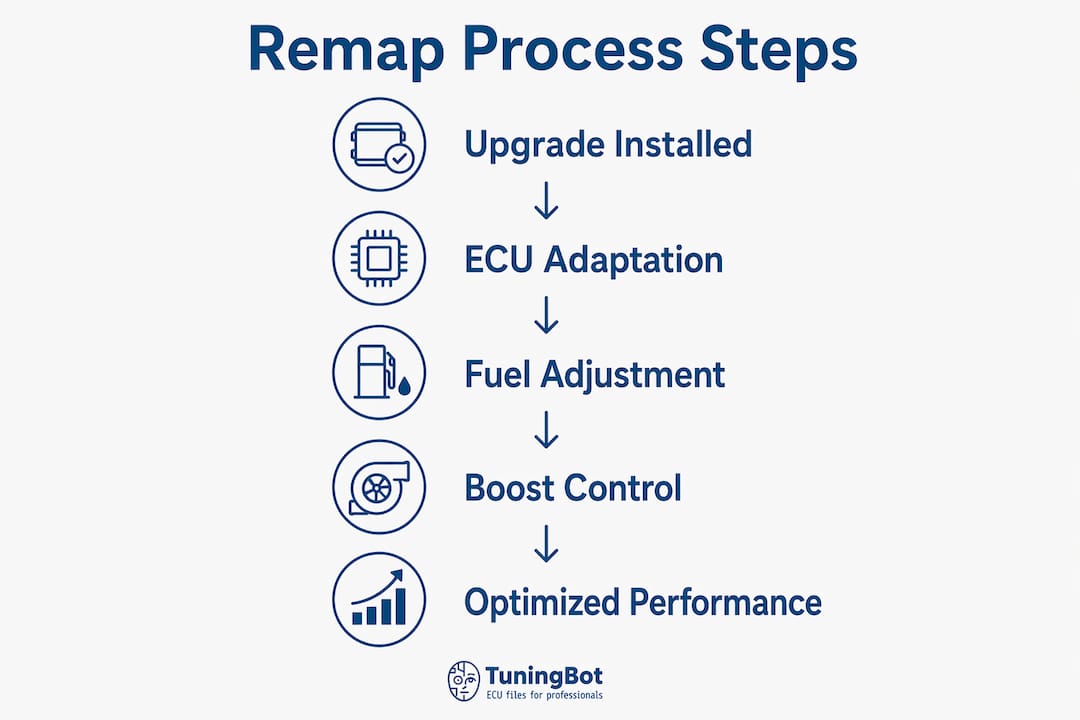
Модернизация выхлопной системы remap представляет собой перекалибровку ЭБУ, которая корректирует подачу топлива, угол опережения зажигания и управление boost с учетом измененного расхода воздуха, обусловленного установкой новой выхлопной системы. ЭБУ управляет каждым циклом сгорания в двигателе. Когда выхлопная система изменяет характер выхода газов из цилиндров, исходная калибровка ЭБУ больше не отражает реальные условия эксплуатации.
Заводская карта ЭБУ создана с учетом запасов прочности и соответствия экологическим нормам, а не максимальной производительности. Эти запасы существуют потому, что производитель должен учитывать разброс качества топлива, экстремальные температуры и широкий спектр манеры вождения. А спортивная выхлопная система remap удаляет эти ненужные отступы и заменяет их значениями, настроенными под ваше конкретное аппаратное обеспечение.
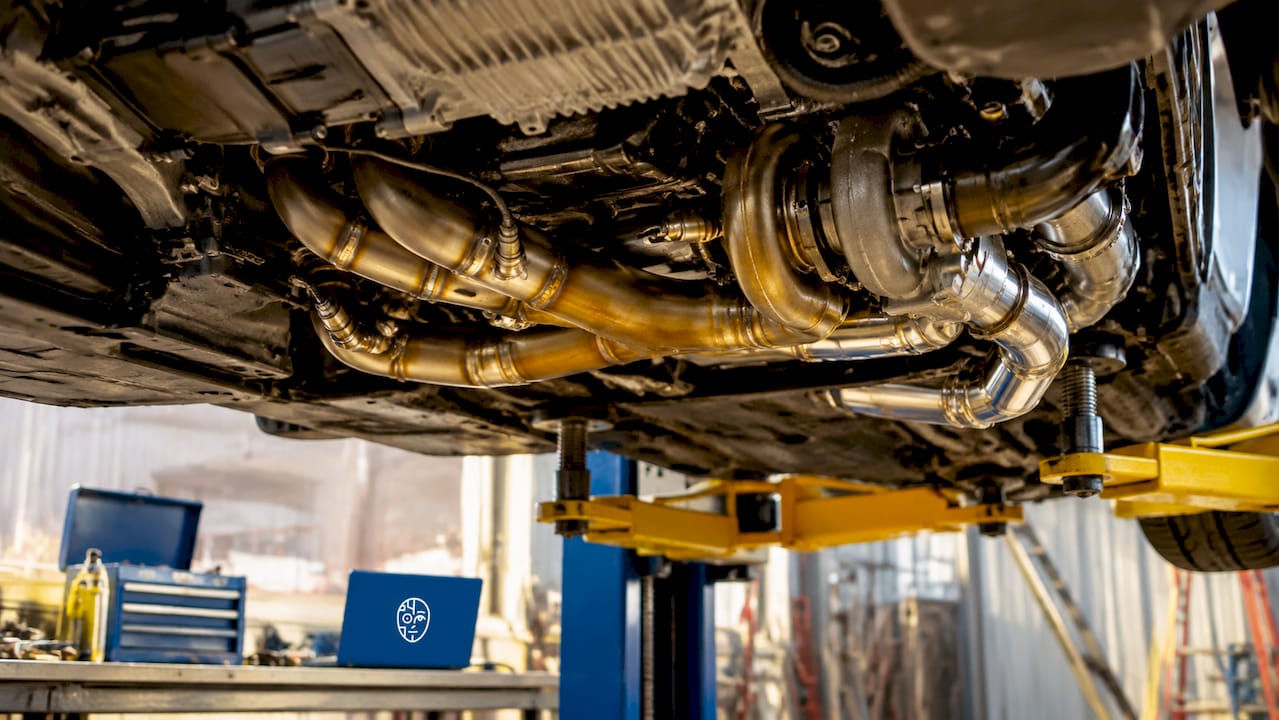
Двигатели с турбонаддувом получают наибольшую выгоду от этого процесса. Более свободный поток выхлопных газов снижает противодавление, что влияет на скорость разгона турбокомпрессора и величину давления boost, создаваемого при заданной частоте вращения. Без датчика remap таблицы управления boost в блоке управления двигателем по-прежнему ориентируются на поведение исходной выпускной системы, в результате чего теряется заметная часть мощности. Двигатели с турбонаддувом получают большую выгоду с remapping для оптимизации давления boost после модернизации выпускной системы.
Как модернизация выхлопной системы влияет на производительность двигателя?
Спортивная выхлопная система снижает противодавление и изменяет цикл дыхания двигателя, что меняет условия, при которых происходит сгорание топлива. ECU remap улучшает отклик дроссельной заслонки, сглаживает подачу крутящего момента и обеспечивает надежность двигателя, когда изменения в «железе» существенно сдвигают эти условия.
Без датчика remap ЭБУ использует заводские консервативные карты подачи топлива, что приводит к ограниченному фактическому приросту мощности, несмотря на установку выхлопной системы с улучшенной пропускной способностью. Двигатель «дышит» лучше, но программное обеспечение об этом не знает. Корректировки подачи топлива, угол опережения зажигания и заданные значения датчика boost по-прежнему откалиброваны для системы, которой уже нет.
Правильно подобранный remap учитывает каждую из этих переменных:
- Заправка: Таблицы соотношения воздуха и топлива настраиваются в соответствии с новым эффектом продувки выпускных газов, предотвращая обеднение или обогащение смеси.
- Угол опережения зажигания: Опережение зажигания увеличивается там, где двигатель может безопасно справиться с этим, что повышает эффективность сгорания.
- Регулирование наддува (турбированные двигатели): Целевые значения для клапана перепуска и соленоида boost перекалиброваны с учетом новых характеристик расхода выхлопных газов.
- Карта дроссельной заслонки: Кривые отклика педали скорректированы с учетом нового диапазона крутящего момента двигателя.
- Ограничитель оборотов и управление крутящим моментом: Заводские моменты затяжки пересмотрены в соответствии с реальными возможностями крепежа.
Совет: На платформах с турбонаддувом всегда проверяйте стратегию управления boost в блоке remap, а не только таблицы подачи топлива и зажигания. Несоответствие заданных значений boost после модернизации выхлопной системы является наиболее распространенной причиной нестабильной подачи мощности.
Для каких модификаций выхлопной системы требуется remapping?
Необходимость перенастройки зависит от степени модификации выхлопной системы. Незначительные обновления зачастую не требуют remapping тогда как полное удаление элементов системы выбросов требует этого без исключения.
Выхлопные системы типа слип-он (slip-on) и кат-бэк (cat-back)
Выхлопные системы типа «cat-back» зачастую можно устанавливать без remap, поскольку они сохраняют в рабочем состоянии системы контроля выбросов и контуры обратной связи датчиков. Кислородные датчики, каталитический нейтрализатор и сажевый фильтр остаются на своих местах. ЭБУ получает те же данные с датчиков, которые он ожидает, и адаптируется в пределах своего обычного диапазона корректировки в замкнутом цикле. Выхлопные системы типа «slip-on» или «cat-back» могут обеспечить прирост мощности на 5–15 bhp, однако их сочетание с модулем remap позволяет оптимизировать разгон турбины, эффективность и экономию топлива на 1–2%. Использование модуля remap в данном случае не является обязательным, но позволяет в полной мере реализовать все преимущества.
Комплектные системы, downpipe без катализатора и коллекторы
Демонтаж каталитических нейтрализаторов или устройств контроля выбросов приводит к включению индикатора неисправности двигателя и переходу в аварийный режим limp mode без перекалибровки remap. ЭБУ контролирует эффективность каталитического нейтрализатора с помощью датчиков кислорода, установленных до и после него. При демонтаже нейтрализатора показания датчиков выходят за пределы ожидаемых параметров. ЭБУ регистрирует код неисправности (DTC), включает контрольную лампу двигателя и может перейти в аварийный режим limp mode для защиты двигателя. Перекалибровка remap корректирует пороговые значения датчиков и отключает соответствующий мониторинг неисправностей, восстанавливая нормальную работу.
Совет: Перед демонтажем каталитических нейтрализаторов или систем DPF всегда необходимо ознакомиться с местными нормами по выбросам. Устройство remap может устранить ошибки ЭБУ, однако в зависимости от законодательства вашего региона автомобиль может не пройти дорожный тест на выбросы или периодический технический осмотр.
| Модификация выхлопной системы | Требуется перепрошивка? | Основная причина |
|---|---|---|
| Прямоток | Нет | Минимальное изменение воздушного потока, датчики исправны |
| Выхлопная система cat-back | Дополнительно | Датчики исправны; remap повышает коэффициент усиления |
| Без катализатора downpipe | Да | Удаляет опорную точку датчика O2 |
| Полная выхлопная система турбо-бэк | Да | Основные изменения в системе воздушного потока и модели boost |
| Только заголовки (двигатель NA) | Рекомендовано | Регулировка опережения зажигания дает преимущества |
Практические рекомендации по настройке remap после модернизации выхлопной системы
Динамометр tuning является незаменимым для агрессивных настроек выпускной и впускной систем с целью оптимизации угла опережения зажигания и подачи топлива, предотвращения детонации и обеспечения максимальной безопасной мощности. Процесс осуществляется в четкой последовательности независимо от модели автомобиля или платформы ECU.
- Базовое ведение журнала данных. Подключите сканер OBD-II и запишите данные о корректировках подачи топлива, количестве ударов детонации и давлении на датчике boost перед датчиком remap. Это позволит определить текущее поведение двигателя с установленной новой выпускной системой.
- Извлечение файла ECU. Считайте двоичный файл ECU с помощью совместимого инструмента, такого как Alientech KESS3, AutoTuner или Magic Motorsport. Файл содержит все таблицы калибровки, которые будут изменены.
- Карта modification. Калибратор настраивает таблицы подачи топлива, зажигания, boost и управления крутящим моментом в соответствии с модернизацией выхлопной системы. При замене катализатора или полной замене выхлопной системы также устраняются коды неисправностей датчиков.
- Загрузка файла и flash-сообщение. Модифицированный файл записывается обратно в ECU с помощью того же интерфейсного инструмента. Платформа TuningBot поддерживает прямую загрузку файлов без необходимости использования предоплаченных кредитов, обеспечивая получение откалиброванных файлов при реальной поддержке инженеров.
- Проверка на динамометрическом стенде. Мощность и крутящий момент измеряются во всем диапазоне оборотов. Широкополосные датчики lambda подтверждают, что соотношение воздух-топливо остается в заданных пределах на протяжении всего ускорения.
- Дорожные испытания после remap. Проведите испытания автомобиля в различных режимах нагрузки. Перед возвратом автомобиля клиенту проверьте наличие детонации, сигналов Check Engine или проблем с управляемостью.
Готовые универсальные карты могут привести к снижению производительности или повреждению двигателя. Индивидуальные карты remap обеспечивают оптимальные соотношения «воздух-топливо», соответствующие конкретной конфигурации выхлопной системы. Универсальный файл Stage 1, разработанный для штатной выхлопной системы, не учитывает измененное противодавление, сигналы датчиков или динамику работы датчика boost в системе, модифицированной. Этот риск не является теоретическим. Плохо подобранные или универсальные файлы remap создают риск повреждения двигателя из-за неправильных воздушно-топливных смесей для уникальных конфигураций выхлопной системы.
В чём заключаются основные преимущества двигателя remapping после модернизации системы выхлопа?
Перенастройка после модернизации выхлопной системы обеспечивает повышение мощности, эффективности, отклика дроссельной заслонки и долговечности двигателя. Правильная перенастройка tuning после модернизации выхлопной системы позволяет оптимизировать мощность, эффективность и долговечность двигателя, выходя за рамки простой установки оборудования.
Преимущества распределяются следующим образом:
- Мощность и крутящий момент. Корректировки опережения зажигания и подачи топлива превращают улучшение воздушного потока выхлопной системы в измеримый прирост лошадиных сил и крутящего момента во всем диапазоне оборотов, а не только на пиковых значениях.
- Отклик дроссельной заслонки. Пересмотренные карты дроссельной заслонки и таблицы управления крутящим моментом устраняют заводскую задержку, заложенную в калибровку педали, благодаря чему двигатель отзывается более напрямую.
- Экономия топлива. При постоянных крейсерских скоростях скорректированные настройки подачи топлива позволяют уменьшить избыточную подачу топлива, которая предусмотрена заводской картой в качестве запаса безопасности. Повышение топливной экономичности на постоянных скоростях после установки remap является неизменным результатом точной калибровки соотношения воздух-топливо.
- Звук выхлопа. Изменение опережения зажигания влияет на характер горения, что сказывается на звуке выхлопа. Тюнеры могут формировать звуковой профиль с помощью калибровки, а не только за счет «железа».
- Безопасность двигателя. Правильное соотношение воздуха и топлива предотвращает бедное сгорание, которое является основной причиной повреждений двигателя, связанных с перегревом, в модифицированных автомобилях. Перепрошивка улучшает отзывчивость дроссельной заслонки, температурный режим двигателя и его долговечность при более высоких нагрузках.
Понимание Как двигатель remap влияет на расход топлива Это особенно полезно при разъяснении всех преимуществ выхлопной системы remap клиенту, который ориентируется исключительно на показатели мощности.
Ключевые выводы
Модернизация выхлопной системы remap является обязательной для любой модификации, которая изменяет показатели датчиков или динамику boost, и при правильном применении она значительно повышает эффективность аппаратных модернизаций.
| Точка | Детали |
|---|---|
| Требуется повторная калибровка ECU | Существенные изменения в выхлопной системе влияют на поток воздуха и показания датчиков, в связи с чем для обеспечения безопасной работы требуется установка датчика remap. |
| Системы «Cat-back» имеют более низкую priority | Выхлопные системы типа «slip-on» и «cat-back» не повреждают датчики, поэтому установка remap не является обязательной, но позволяет повысить показатели. |
| Для систем без катализатора и полных систем требуется remaps | Демонтаж устройств системы контроля выбросов приводит к появлению кодов неисправностей (DTC) и переходу в аварийный режим работы limp mode без повторной калибровки ECU. |
| Пользовательские карты превосходят универсальные файлы | Обычные готовые прошивки карт не учитывают вашу конкретную конфигурацию выхлопной системы и создают риск повреждения двигателя. |
| Преимущества выходят за рамки пиковой мощности | Правильно отрегулированный клапан remap улучшает отклик дроссельной заслонки, экономию топлива, звук выхлопа и продлевает срок службы двигателя. |
Наш взгляд на аппаратное и программное обеспечение как на единую систему
Самая распространенная ошибка, с которой мы сталкиваемся, — это рассмотрение модернизации выхлопной системы и настройки remap как двух отдельных решений. Но это не так. Аппаратное обеспечение определяет расход воздуха stage. Настройка ECU remap заставляет двигатель эффективно использовать его. Отказ от установки remap после значительной модификации выхлопной системы равносилен установке карбюратора большего размера при сохранении штатных настроек форсунок. Аппаратное обеспечение есть, но калибровка отсутствует.
Мы сталкивались с ситуациями, когда в мастерских устанавливали полные системы выхлопа «турбо-бэк» на автомобили с турбонаддувом, а затем возвращали автомобиль без датчика remap, поскольку заказчик хотел сэкономить. Автомобиль работает, но по карте, разработанной для совершенно другой конфигурации выхлопной системы. Целевые значения давления наддува неверны. Система корректировки подачи топлива пытается компенсировать это. Двигатель работает с большей нагрузкой, чем необходимо, и преимущества, которые даёт новое оборудование, в значительной степени теряются.
Правильный подход — постепенный. Начните с компонентов выпускной системы, затем подберите соответствующую настройку remap. Если следующий этап stage предполагает модернизацию системы впуска или промежуточного охладителя, снова используйте настройку remap. Каждый этап stage требует отдельного цикла калибровки. Этап за этапом: stage, remapping — это не просто модель продаж. Это правильный инженерный процесс создания надёжного и высокопроизводительного модифицированного автомобиля.
Управляемость важна не меньше, чем пиковые показатели. Автомобиль, который выдает большую мощность, но дергается при частичном открытии дросселя, греется в пробках или выдает коды ошибок, нельзя назвать успешно настроенным. Цель — калибровка, которая работает во всем диапазоне оборотов, а не только при замере на диностенде.
— Техническая команда TuningBot
Профессиональные remap-файлы выхлопа от TuningBot
TuningBot предоставляет профессиональные услуги по ремонту ECU для автомастерских и тюнеров, занимающихся обслуживанием автомобилей с модифицированными выхлопными системами на всех основных платформ.
Платформа поддерживает аппаратное обеспечение ECU от Bosch, Continental, Delphi, Marelli, Denso, Siemens и других производителей, охватывая весь спектр сценариев работы с выхлопными системами tuning — от оптимизации системы «от катализатора и далее» до полной перенастройки систем без катализатора. Файлы предоставляются с реальной поддержкой инженеров, регистрация не требуется, и нет предоплаченных кредитов. Сервисные центры, использующие Alientech KESS3, AutoTuner, Magic Motorsport, CMD, Dimsport или PCMFlash, могут напрямую загружать файлы ECU и получать откалиброванные файлы, созданные специально для конкретной конфигурации выхлопной системы.
Для прозрачности рабочего процесса начните с Чип-тюнинг файла, проверь Прайс-лист на тюнинг ЭБУ, подтвердите поддержку в Матрица покрытия сервисных работ ЭБУ, или ознакомьтесь с полной Услуги ЭБУ доступно для автомобилей с модифицированной выхлопной системой.
ЧАСТО ЗАДАВАЕМЫЕ ВОПРОСЫ
Что такое модернизация выхлопной системы remap?
Модернизация выхлопной системы remap представляет собой перенастройку ЭБУ, которая корректирует подачу топлива, углы опережения зажигания и управление boost с учетом изменений в расходе воздуха, вызванных установкой новой выхлопной системы. Без этой перенастройки ЭБУ работает с заводскими настройками, которые не учитывают изменения в оборудовании, связанные с модификацией.
Обязательно ли устанавливать remap после монтажа выхлопной системы?
Не всегда. Системы типа «slip-on» и «cat-back», в которых датчики выбросов остаются на месте, зачастую не требуют установки remap, хотя его установка позволяет повысить эффективность. Полные системы, системы downpipe без катализатора и коллекторы, при установке которых удаляется оборудование системы контроля выбросов bypass, всегда требуют перенастройки ЭБУ.
Что произойдет, если пропустить remap после установки выхлопной системы без катализатора?
Демонтаж каталитического нейтрализатора без remapping приводит к появлению кодов неисправности датчика кислорода, включению контрольной лампы двигателя и может вызвать переход автомобиля в аварийный режим limp mode. ЭБУ фиксирует, что показания датчика выходят за пределы ожидаемых параметров, и реагирует на это запуском защитной стратегии реагирования на неисправность.
Является ли настраиваемая карта remap лучше, чем стандартная готовая карта?
Да. Стандартные карты предназначены для автомобилей в заводской комплектации или с незначительными модификациями и не учитывают специфику воздушного потока в вашей выхлопной системе. Индивидуальная карта remap, откалиброванная под ваше оборудование, обеспечивает более высокую мощность, правильные соотношения «воздух-топливо» и исключает риск повреждения двигателя из-за несоответствующей подачи топлива.
Насколько увеличивает мощность выхлопная система remap?
Рост мощности зависит от типа двигателя и модификации выхлопной системы. Установка выхлопных систем типа «slip-on» или «cat-back» в сочетании с remap может обеспечить прирост мощности на 5–15 bhp, а также снижение расхода топлива на 1–2%. Турбодвигатели с полной модернизацией системы выхлопа и подходящим катализатором remap, как правило, демонстрируют более значительный прирост мощности благодаря оптимизированному управлению давлением в системе выхлопа boost.