

 EnglishEN
 DeutschDE
 EspañolES
 PortuguêsPT
 FrançaisFR
 РусскийRU
Tipi di rimappatura del motore a benzina spiegati
I tipi di motore a benzina remapping si riferiscono alle diverse modalità di rimappatura della centralina (ECU) stage e agli approcci di calibrazione che ottimizzano il software del motore per aumentare la potenza, migliorare l’erogazione della coppia o ridurre il consumo di carburante, con o senza modifiche hardware di supporto. Scegliere il tipo di remap sbagliato per la propria configurazione hardware è uno degli errori più comuni e costosi che i proprietari di veicoli a benzina commettono. Questa guida copre tutti i principali tipi di remap, dalla rimappatura software di livello base (Stage 1) alle revisioni interne del motore (Stage 4), con aspettative realistiche sui guadagni, requisiti hardware e standard di calibrazione professionali per ogni livello. Che guidiate una hot hatch turbo o un’auto sportiva aspirata, il tipo di remap più adatto dipende dai vostri obiettivi e da ciò che il vostro motore è in grado di supportare in sicurezza.
Indice
- 1. Quali sono i tipi di motore a benzina remapping?
- 2. Stage 1 benzina remapping: rimappatura della centralina esclusivamente tramite software
- 3. Stage 2 remapping: aggiornamenti hardware e calibrazione personalizzata
- 4. Stage 3 e oltre: upgrade del turbo e rimappatura avanzata della benzina
- 5. Confronto tra i modelli a benzina remapping e stages: prestazioni, componenti hardware e idoneità
- 6. Idee sbagliate comuni e rischi relativi al motore a benzina remapping
- Punti chiave
- Perché la qualità della calibrazione è più importante dei valori stage
- File ECU remapping professionali per ogni tuning benzina stage
- FAQ
- Consigliato
1. Quali sono i tipi di motore a benzina remapping?
Il processo remapping per motori a benzina consiste nella riscrittura delle tabelle di calibrazione della centralina (ECU) per modificare parametri quali la pressione boost, la fasatura dell’accensione, le mappe di iniezione e i limitatori di coppia. Il settore classifica queste modifiche in livelli, dove ogni livello rappresenta un grado progressivamente maggiore di intervento a livello hardware e software. I livelli 1, 2, 3 e 4 sono le classificazioni più diffuse, sebbene sia fondamentale comprendere che questi Le etichette stage non sono standardizzate in tutto il settore. Lo Stage 2 di un tuner potrebbe corrispondere allo Stage 1+ di un altro. Ciò che conta è la configurazione hardware specifica e la qualità del file di calibrazione ad essa associato.
I motori a benzina turbocompressi rispondono in modo più marcato al remapping rispetto ai motori aspirati, poiché la centralina (ECU) controlla direttamente la pressione boost. Un motore aspirato offre meno possibilità di intervento a livello software, quindi i miglioramenti sono più modest. Comprendere questa distinzione fin dall’inizio evita aspettative irrealistiche e vi guida verso il tipo di remap più adatto alla vostra specifica architettura del motore.
2. Stage 1 benzina remapping: rimappatura della centralina esclusivamente tramite software
Lo Stage 1 consiste in una calibrazione della centralina (ECU) esclusivamente software, eseguita su un veicolo con l'hardware di serie, senza necessità di modifiche fisiche. Rappresenta il punto di accesso più accessibile alle tecniche di rimappatura dei motori a benzina ed è ideale per chi guida quotidianamente e desidera ottenere miglioramenti misurabili delle prestazioni senza invalidare la garanzia né sostenere spese per l'acquisto di ricambi.
Per i motori a benzina turbo, Lo Stage 1 eroga da 15 a 30% Aumento della potenza in cavalli grazie all’ottimizzazione della pressione boost, dell’anticipo dell’accensione e dell’erogazione del carburante, pur rimanendo entro i limiti meccanici di sicurezza del motore di serie. Ciò significa che un motore da 150 hp può potenzialmente raggiungere una potenza compresa tra 172 e 195 hp esclusivamente tramite software. I motori a benzina aspirati registrano aumenti minori, in genere compresi tra 5 e 10%, poiché non è presente una pressione boost da aumentare.
I vantaggi dello Stage 1 remapping vanno oltre la potenza di picco:
- Risposta dell'acceleratore più rapida e ridotta inerzia del turbo
- Coppia migliorata ai medi regimi per sorpassi e guida in autostrada
- Potenziale miglioramento dell'economia di carburante se guidato a potenza costante
- Nessun acquisto di hardware o tempi di inattività per l'installazione
Consiglio Pro: Prima di caricare qualsiasi file ECU per la calibrazione di Stage 1, eseguire una scansione diagnostica completa per verificare che non vi siano codici di errore attivi. L'applicazione di un remap in presenza di un guasto meccanico esistente non risolverà il problema e potrebbe mascherarlo, causando un'usura prematura del motore.
La calibrazione professionale è non negoziabile nello Stage 1. Mappe generiche preconfezionate provenienti da fornitori non qualificati spingere i motori oltre le tolleranze di sicurezza e rappresentano la causa principale dei guasti al motore legati al sistema remap. Lo standard corretto è un file personalizzato, calibrato in base alla variante specifica della centralina, al tipo di carburante e alle condizioni ambientali.
3. Stage 2 remapping: aggiornamenti hardware e calibrazione personalizzata
Lo Stage 2 remapping richiede l’installazione di componenti meccanici bolt-on prima della scrittura della mappatura della centralina. Le modifiche hardware aumentano il flusso d’aria, riducono la contropressione di scarico o migliorano il raffreddamento della miscela, e la mappa della centralina deve essere riscritta per adattarsi con precisione alle nuove caratteristiche del flusso d’aria. L’applicazione del software dello Stadio 2 a componenti di serie non è sicura e non produrrà i miglioramenti previsti.
Gli aggiornamenti hardware tipici per motori a benzina turbocompressi di Stage 2 includono:
- Versione downpipe o sportiva catalizzatore per ridurre la resistenza allo scarico
- Aspirazione ad aria fredda o kit di aspirazione ad alto flusso
- Intercooler maggiorato per un raffreddamento della carica migliorato
- Iniettori di carburante potenziati se le unità di serie sono vicine al loro limite del ciclo utile
Con hardware e calibrazione corrispondenti, Stage 2 può fornire una Aumento di potenza da 20 a 40% rispetto alla potenza di serie. Un motore a benzina turbo da 200 hp potrebbe realisticamente raggiungere una potenza compresa tra 240 e 280 hp allo Stage 2, a seconda della piattaforma e della qualità delle modifiche modifiche applicate.
Il punto cruciale è l’adeguamento tra hardware e software. Ogni modifica all’hardware altera l’efficienza volumetrica, i valori target del rapporto aria-carburante e la risposta del boost del motore. Un calibratore deve tenere conto di tutte queste variabili nel file della centralina. Una calibrazione non adeguata nello Stage 2 provoca battiti in testa, eccesso di carburante o picchi del boost che accelerano l’usura del motore. Per un’analisi dettagliata di ciò che Ogni regolazione stage comporta, La guida di TuningBot alla rimappatura dei stage illustra i requisiti hardware e software per ogni livello.
Consiglio Pro: Prima di mettere in funzione un remap Stage 2, assicurati sempre che gli iniettori, la pompa del carburante e le bobine di accensione del tuo veicolo rientrino nei parametri specificati. Questi componenti vengono spesso trascurati e diventano il fattore limitante a livelli di potenza più elevati.
4. Stage 3 e oltre: upgrade del turbo e rimappatura avanzata della benzina
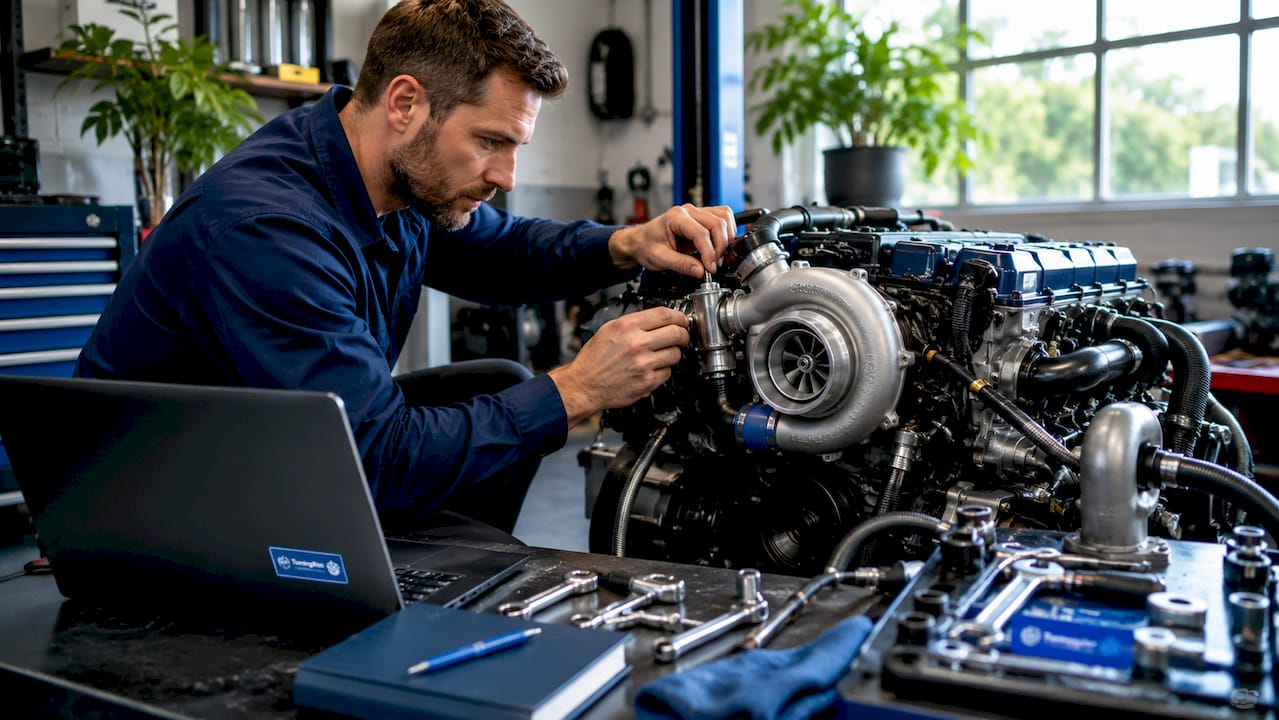
Lo Stage 3 per i motori a benzina remapping si concentra sulla sostituzione o sull’aggiornamento del turbocompressore, che rappresenta la modifica hardware fondamentale che la distingue dallo Stage 2. La sostituzione del turbocompressore nello Stage 3 consente di raggiungere livelli di potenza significativamente più elevati, ma richiede un pacchetto completo di modification e una rimappatura obbligatoria al banco prova per calibrare la centralina (ECU) in base alle caratteristiche di flusso del nuovo turbocompressore.
I turbocompressori ibridi sono una scelta comune per lo Stage 3. Un turbo ibrido è un'unità OEM potenziata dotata di una girante del compressore più grande, di un alloggiamento con aperture ottimizzate o di componenti interni ricavati dal pieno. Non ha nulla a che vedere con i propulsori ibridi. Il termine “cos'è il turbo ibrido remap” si riferisce specificatamente alla ricalibrazione della centralina necessaria dopo l'installazione di una di queste unità. Le turbine ibride richiedono la ricalibrazione immediata della centralina. poiché le caratteristiche del flusso d'aria differiscono notevolmente da quelle del turbo di serie, e il funzionamento senza una mappa adeguata comporta pericolosi sovraccarichi o errori di iniezione.
Una modalità di guasto critica in questo stage è il “errore del drop-in”. Un turbo ibrido può essere fisicamente montato sul collettore di serie, ma utilizzarlo con la mappa originale della centralina originale è pericoloso. Il fallacia dell'inserzione Descrive esattamente questo scenario: la turbina si adatta, ma senza una ricalibrazione della centralina che corrisponda al nuovo flusso d'aria, il motore funziona al di fuori dei parametri di sicurezza.
Lo stadio 4 va oltre gli aggiornamenti del turbo e si addentra nella ricostruzione completa del motore interno:
- Pistoni e bielle forgiati per gestire pressioni del cilindro più elevate
- Perni di biella e testata rinforzati
- Impianto di alimentazione potenziato con iniettori ad alto flusso e pompa del carburante maggiorata
- Calibrazione completa e personalizzata della centralina su banco prova con sensore a banda larga lambda e monitor
La rimappatura di Stage 4 è progettata per auto da pista e build dedicate alle prestazioni, non per auto da uso quotidiano. Gli intervalli di manutenzione si accorciano significativamente e il motore richiede carburante premium e un'ispezione regolare dei componenti soggetti a usura.
5. Confronto tra i modelli a benzina remapping e stages: prestazioni, componenti hardware e idoneità
La tabella che segue riassume i quattro principali tipi di remap per aiutarti a valutare quale approccio sia più adatto ai tuoi obiettivi e al tuo hardware.
| Palcoscenico | Guadagno di potenza tipico | Hardware richiesto | Guidabilità quotidiana | Più adatto per |
|---|---|---|---|---|
| Stage 1 | Da 15 a 30% (benzina turbo) | Nessuno, hardware di serie | Alto | Veicoli per uso quotidiano, miglioramento modesto delle prestazioni |
| Stage 2 | da 20 a 40% | Downpipe, aspirazione, intercooler | Moderato | Auto sportive da strada con modifiche bolt-on |
| Stage 3 | da 40 a 60%+ | Ibrido o turbo potenziato, con tutte le modifiche di supporto | Da basso a moderate | Build performanti dedicati |
| Stage 4 | 60%+ sopra il stock | Revisione completa del motore interno | Basso, uso pista | Veicoli da competizione, auto da pista |
I motori a benzina aspirati seguono una curva diversa. Senza la pressione boost da gestire, i miglioramenti ottenuti ad ogni stage sono minori, e il passaggio allo Stage 3 o allo Stage 4 per un motore aspirato comporta in genere la conversione a sovralimentazione, che rappresenta un progetto ingegneristico completamente a sé stante.
6. Idee sbagliate comuni e rischi relativi al motore a benzina remapping
L'idea errata più diffusa è che il remapping riguardi esclusivamente la velocità massima. La rimappatura ottimizza il comportamento del motore per come l'attuale proprietario guida, sia che ciò significhi una coppia più fluida ai bassi regimi per il traino, una migliore efficienza del carburante a velocità autostradali o una risposta dell'acceleratore più rapida per l'uso in pista. La mappa della centralina è uno strumento con obiettivi multipli, non un semplice selettore di velocità.
Un secondo malinteso è che i codici stage siano universali. Non lo sono. Il sistema di classificazione stage è arbitrario e varia a seconda del modello tuner, delle piattaforme e delle regioni. Due officine possono entrambe offrire remap di “Stage 2” per lo stesso veicolo e ottenere risultati completamente diversi a seconda dell’elenco dei componenti hardware e della qualità della calibrazione. Valutare un remap basandosi esclusivamente sul suo numero stage non è affidabile.
Il rischio più grave per il motore a benzina remapping è rappresentato da una calibrazione di scarsa qualità effettuata da fornitori non qualificati. Le mappe generiche scaricate da piattaforme di condivisione file o da servizi di rimappatura economici non sono calibrate in base alla specifica variante della centralina, alla qualità del carburante o alle condizioni hardware del veicolo. Queste mappe sono la causa principale dei danni da detonazione, dei guasti agli iniettori e dei guasti al turbocompressore nei motori a benzina remapped. Per contestualizzare come La rigenerazione della centralina elettronica (ECU) si interseca Grazie alla qualità remapping e all'affidabilità a lungo termine, esiste una relazione diretta tra lo stato dell'hardware e la calibrazione del software.
“La qualità del file di calibrazione è più importante dell’etichetta stage che vi è apposta. Una mappa di Stage 1 ben scritta su un motore in buone condizioni offre sempre prestazioni migliori rispetto a una mappa di Stage 2 mal scritta.”
Ulteriori rischi da tenere in considerazione prima della messa in servizio di qualsiasi remap:
- Implicazioni assicurative: molte polizze richiedono la comunicazione delle modifiche ECU
- Stato della garanzia: le garanzie del produttore vengono solitamente invalidate dal codice ECU remapping
- Requisiti relativi al tipo di carburante: le mappe “higher-stage” richiedono spesso benzina con numero di ottano (RON) pari a 98 o superiore
- Controllo preventivo diagnostico: i codici di guasto attivi devono essere risolti prima della calibrazione
Il pacchetto Professional remapping comprende un controllo diagnostico e una calibrazione personalizzata in base alle condizioni del veicolo e agli obiettivi indicati dal conducente. Questo processo costituisce lo standard di base e non un optional.
Punti chiave
Il miglior motore a benzina del tipo remap dipende dalla configurazione hardware e dalle esigenze di guida, non dal numero stage indicato nelle pubblicità del modello tuner.
| Punto | Dettagli |
|---|---|
| Lo Stage 1 si adatta all'hardware di serie | La calibrazione esclusivamente software consente di ottenere guadagni compresi tra 15 e 30% sui motori turbo a benzina senza alcuna modifica fisica. |
| Lo Stage 2 richiede hardware abbinato | I componenti bolt-on, come i downpipe e gli intercooler, devono essere installati prima della programmazione della mappa della centralina. |
| Le etichette delle fasi non sono standardizzate | I numeri degli Stage variano da tuner a tuner: valuta la qualità della calibrazione e la lista dell'hardware, non l'etichetta. |
| Il turbo ibrido necessita immediatamente di remap | Un turbo ibrido montato senza ricalibrazione della centralina gira pericolosamente al di fuori dei parametri di flusso d'aria sicuri. |
| Le mappe generiche sono il rischio principale | I file preconfezionati di bassa qualità sono la causa principale dei danni al motore correlati al codice remap. |
Perché la qualità della calibrazione è più importante dei valori stage
Dopo aver lavorato con file ECU su un’ampia gamma di piattaforme a benzina con turbocompressore, il quadro che emerge è coerente: l’etichetta stage rappresenta il dato meno significativo in qualsiasi discussione relativa al remapping. Ho esaminato file di Stage 2 che erano a malapena distinguibili da una calibrazione conservativa di Stage 1, e file di Stage 1 che spingevano il valore boost e la fasatura dell’accensione ben oltre i limiti che l’hardware di serie potesse sostenere in sicurezza.
L'implicazione pratica è chiara. Prima di chiedere a un tuner “cosa sai fare in termini di stage?”, chiedigli quale processo diagnostico segue, a quale tipo di carburante è destinata la mappa e se la calibrazione è stata scritta appositamente per la tua variante hardware della centralina o adattata da un file di base. Queste tre domande vi diranno molto di più sulla qualità del lavoro rispetto a qualsiasi designazione stage.
Metterei anche in guardia contro il trattamento del Miglioramenti delle prestazioni dell'auto remapping considerare la questione come un semplice calcolo numerico. La linearità della risposta dell’acceleratore, la forma della curva di coppia e il comportamento all’avviamento a freddo sono tutti aspetti influenzati dalla qualità della calibrazione e hanno un’importanza significativa nella guida reale. Un remap che aggiunge 30 hp ma introduce esitazioni a regime parziale è un risultato peggiore rispetto a un remap che aggiunge 20 hp in modo pulito su tutta la gamma di regimi.
I laboratori e i tuner che producono costantemente risultati affidabili sono quelli che danno priorità al processo di calibrazione professionale superamento delle affermazioni di marketing. Quel criterio dovrebbe essere il tuo criterio di selezione.
— TuningBot Team Tecnico
File ECU remapping professionali per ogni tuning benzina stage
TuningBot fornisce file ECU remapping personalizzati per configurazioni di tuning di motori a benzina di livello 1, 2, 3 e avanzato, calibrati da ingegneri professionisti per adattarsi alla tua specifica configurazione hardware e alla variante della centralina.
La piattaforma supporta tutti i principali marchi di centraline elettroniche tra cui Bosch, Continental, Delphi, Marelli e Denso, con compatibilità per i principali strumenti di lettura e scrittura tra cui Alientech KESS3, AutoTuner, Magic Motorsport e PCMFlash. I file vengono consegnati rapidamente senza registrazione o crediti prepagati. Esplora la gamma completa di copertura mappatura centralina benzina inclusa la calibrazione di Stage 2 e Stage 3 per le attuali piattaforme a benzina turbo. Carica direttamente il tuo file ECU tramite Rimappa il tuo file per iniziare.
FAQ
Che cos’è la benzina Stage 1 remapping?
La calibrazione Stage 1 per motori a benzina remapping è una rimappatura della centralina (ECU) esclusivamente software su un motore di serie che, in genere, garantisce un aumento di potenza compreso tra 15 e 30% horsepower sui motori a benzina turbocompressi senza alcuna modifica hardware.
Lo Stage 2 remapping richiede modifiche hardware?
Lo Stage 2 remapping richiede l'installazione di componenti hardware aggiuntivi, quali un downpipe ad alte prestazioni, un sistema di aspirazione dell'aria fredda e un intercooler, prima della programmazione della mappa della centralina. L'applicazione del software Stage 2 su componenti di serie non modificati è pericolosa e inefficace.
Che cos’è un turbo ibrido remap?
Un turbo ibrido remap è la ricalibrazione della centralina necessaria dopo l'installazione di un turbocompressore potenziato basato su componenti OEM, dotato di una girante del compressore più grande o di componenti interni ricavati dal pieno. L'utilizzo di un turbo ibrido con la mappa originale della centralina originale provoca pericolosi surriscaldamenti e errori di iniezione.
I numeri remapping e stage sono standardizzati in tutto il tuner?
I numeri di stadio non sono standardizzati. Si tratta di classificazioni di marketing che variano tra i modelli tuner e le diverse piattaforme. La qualità della calibrazione e la compatibilità hardware sono indicatori più affidabili del valore di un modello remap rispetto all’etichetta stage.
Il modello remapping può migliorare sia il risparmio di carburante che le prestazioni?
La rimappatura può essere calibrata per privilegiare il risparmio di carburante rispetto alla potenza massima, ottimizzando l'erogazione del carburante e della coppia durante la guida a regime costante. Il risultato dipende dal tipo di mappa selezionata e dallo stile di guida adottato dopo la calibrazione.