
⚡ Electric Vehicles, Internal Combustion Engines and the Future of Tuning
Electric vehicles and the future of tuning are closely linked: as governments push EV adoption and discuss phasing out new combustion engines, tuners and workshops want to know how long ECU tuning will remain a viable business and what this transition really means for the industry.
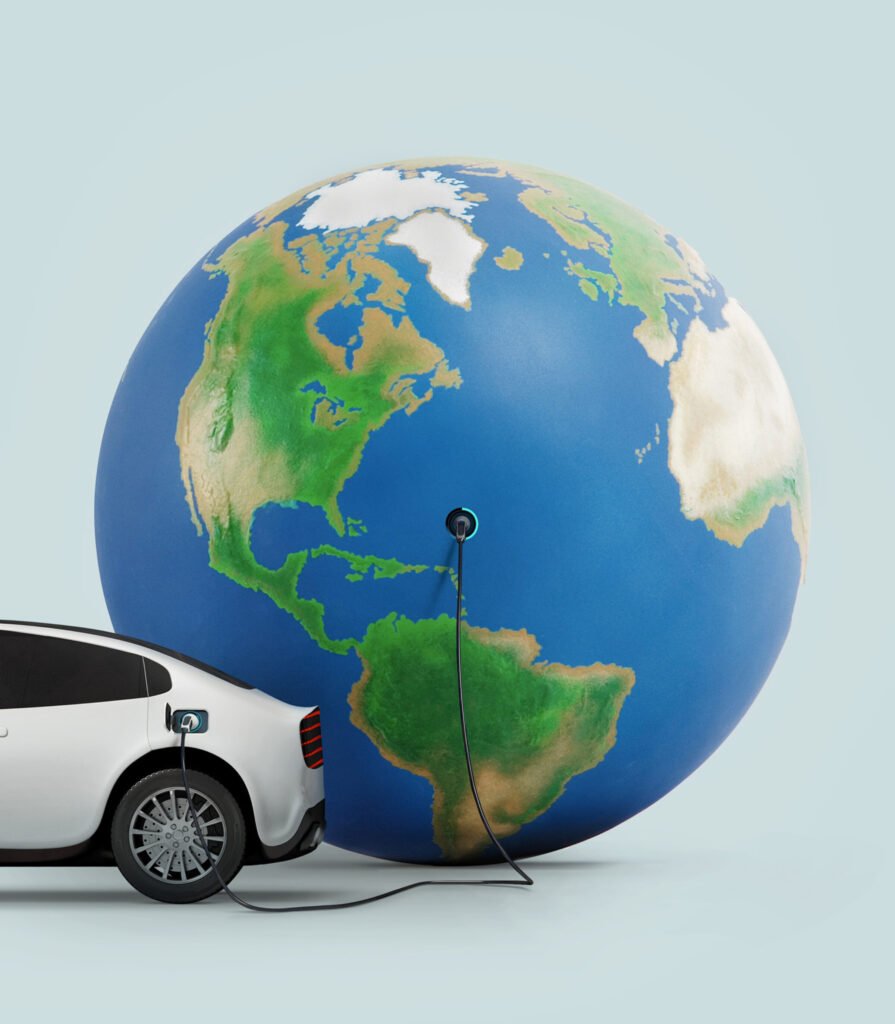
1) Why the EV transition matters to the tuning world 🌍
As global concerns about climate change grow, many governments are encouraging the development and adoption of electric vehicles (EVs). Long-term plans in several regions include restrictions or even future bans on the sale of new internal combustion engine (ICE) vehicles.
For companies like ours, which specialize in ECU tuning for combustion engines, this raises a natural question: How fast will this transition really happen, and how long will demand for tuning services remain strong?
The concern is real
Many tuners and workshop owners have expressed worries:
- 💭 “Should I still invest in ECU tuning equipment?”
- 💭 “Will my tuning business be obsolete in 5 years?”
- 💭 “Are we witnessing the end of performance tuning?”
- 💭 “Should I completely switch my focus to EVs now?”
These are legitimate questions that deserve honest, data-driven answers rather than alarmist headlines or wishful thinking.
2) What we observe in the market 📊
For quite some time, we have been monitoring how the EV and hybrid market develops and how realistic the political timelines are. Now that electric and hybrid vehicles have been on the road for a number of years, some important trends have become visible.
Current EV adoption patterns
In many European countries we see that:
- 📉 Subsidy dependency – EV sales often depend heavily on subsidies and tax incentives. When incentives are reduced or removed, demand for new EVs can slow down significantly.
- 🏭 Manufacturer adjustments – Some manufacturers have adjusted or slowed parts of their electrification plans in response to market realities.
- 💰 Price barriers – The cost of new EVs remains relatively high for many drivers, limiting mass-market adoption.
- 🔌 Infrastructure gaps – Charging infrastructure is still unevenly distributed between countries and regions, creating range anxiety.
- 📊 Used market uncertainty – The used EV market is still finding its balance in terms of pricing and residual value, making buyers hesitant.
Regional variations
Norway: ~90% of new car sales are EVs (heavy subsidies, hydroelectric power)
Germany/France/UK: 15-25% EV share (moderate subsidies, mixed infrastructure)
Southern/Eastern Europe: 5-15% EV share (limited subsidies, lower income levels)
Global average: ~14% of new car sales in 2023
📌 Key insight: The transition towards electric mobility is real, but the pace is uneven. In practice, internal combustion engines will remain on the road for a long time, especially in large parts of Europe and globally.
3) The reality for internal combustion engines 🏁
In the past, “fully electric by 2035” was often presented as a clear and fixed target. Today, discussions are more nuanced.
Political timelines vs reality
Practical factors influence how fast the EV share can realistically grow:
- 💶 Vehicle cost – New EVs cost 20-40% more than equivalent ICE vehicles
- 🔋 Infrastructure readiness – Charging networks need massive investment
- ⚡ Energy supply – Grid capacity must expand to handle mass EV charging
- 🎯 Customer preferences – Many buyers still prefer ICE for range, flexibility, or cost
- 🏭 Production capacity – Battery and vehicle production cannot scale overnight
The existing fleet: The real story
Even in a scenario where sales of new ICE vehicles gradually decline, the existing fleet of combustion-engine cars, vans and light commercial vehicles will remain in use for many years.
📈 Global vehicle fleet (2024):
• Total vehicles worldwide: ~1.5 billion
• EVs currently on road: ~40 million (~2.7%)
• ICE vehicles: ~1.46 billion (~97.3%)
• Average vehicle lifespan: 12-18 years
• Commercial vehicles: Even longer lifespan (15-25 years)
What this means in practice
Even if 100% of new car sales were electric tomorrow (which is impossible), it would take:
- 10-15 years for 50% of the fleet to be electric
- 20-25 years for 80% of the fleet to be electric
- 30+ years for ICE vehicles to become rare
These vehicles will still require maintenance, repair — and for many drivers, performance or efficiency tuning.
4) Impact on the tuning industry 🔧
For the tuning community, this is actually encouraging news. It suggests that the “end of tuning” is not around the corner.
What we expect for tuning
Instead of a sudden stop, we anticipate a long transition period where:
- ✅ ICE vehicles remain the majority – For at least the next 10-15 years, combustion engines will dominate the active fleet
- ✅ Tuning demand continues – ECU tuning, DPF/EGR solutions and bespoke calibrations will remain in high demand
- ✅ New opportunities emerge – Hybrid platforms create additional opportunities for specialized services
- ✅ Mature market stability – Tuning becomes a stable, mature service industry rather than a declining one
Market segments that will thrive
🚚 Commercial vehicles
- Vans, trucks, and utility vehicles will remain ICE for decades
- Economics favor diesel for heavy-duty applications
- Strong demand for fuel economy and power optimization
🏎️ Performance and enthusiast market
- Classic and modern performance cars retain value
- Track-focused builds continue to grow
- Motorsport remains predominantly ICE-based
🌍 Global markets outside Europe
- Asia, South America, Africa will adopt EVs much slower
- Cost and infrastructure barriers remain significant
- ICE vehicles will dominate these markets for 20-30 years
🔧 Fleet and workshop services
- Company fleets optimize for total cost of ownership
- Tuning for fuel economy gains business relevance
- DPF/EGR solutions remain essential for high-mileage vehicles
Rather than a sudden stop, the market is likely to evolve gradually. That gives tuners and workshops time to plan, invest and adapt — without having to abandon their core business overnight.
5) Realistic timeline: 10-15 years ahead ⏳
🎯 TuningBot’s Outlook
Based on current market data, infrastructure development, and vehicle replacement cycles, we are confident about the medium-term future of internal combustion tuning.
Our expectations (2025-2040)
📅 2025-2030: Peak tuning demand
- ICE tuning will remain a highly viable business
- The active vehicle park will contain hundreds of millions of tunable engines
- Professional file services will be needed by workshops worldwide
- Market growth in developing regions offsets European slowdown
📅 2030-2035: Stable transition
- Gradual decline in new ICE vehicles
- Used ICE market remains strong
- Hybrid tuning becomes mainstream
- Commercial and performance segments stay robust
📅 2035-2040: Mature specialist market
- ICE tuning evolves into specialist service
- Focus shifts to enthusiast, commercial, and global markets
- Premium pricing for expert ICE calibration
- EV tuning gradually gains market share
✅ Bottom line: This is good news not only for us, but also for our customers and their end users who love well-calibrated combustion engines. There’s no need to panic or abandon the industry.
6) Hybrid vehicles: New opportunities 🔋⚡
While discussing EVs, it’s important not to overlook hybrid vehicles — which represent a significant and growing opportunity for tuners.
Why hybrids matter for tuning
- 🔄 Best of both worlds – Hybrids combine ICE with electric assist, still requiring ECU calibration
- 📈 Market growth – Hybrid sales are growing faster than pure EVs in many markets
- 🎯 Performance potential – Plug-in hybrids (PHEVs) respond well to tuning on the ICE side
- 💼 Commercial adoption – Companies choose hybrids for fleet efficiency without range anxiety
Hybrid tuning opportunities
- Mild hybrids (MHEV) – Full ICE tuning capability with 48V electric support
- Full hybrids (HEV) – Optimize ICE operation for better combined efficiency
- Plug-in hybrids (PHEV) – Performance tuning on the combustion side remains effective
- DPF/EGR solutions – Emission system modifications work on hybrid platforms
💡 Strategic note: Hybrid vehicles extend the life of ECU tuning expertise while providing a bridge to future technologies. They’re not a threat to tuning — they’re an opportunity.
7) Our commitment to you 🤝
For all these reasons, we are investing with confidence in the continued development of high-quality ECU tuning files and technical support.
What TuningBot is doing
- 📚 Expanding ECU coverage – Continuously adding support for new ICE and hybrid platforms
- 🔬 Research and development – Investing in advanced calibration techniques and tools
- 🌍 Global market focus – Serving tuners in all markets, not just Europe
- 🎓 Education and support – Providing guides, training, and technical assistance
- 🔮 Future technologies – Monitoring hybrid and EV tuning possibilities for gradual expansion
Our long-term vision
We plan to keep providing tuning solutions for a wide range of internal combustion engines for many years ahead. At the same time, we are closely following new technologies, including hybrid and electric platforms, so that we can gradually expand our expertise where it makes sense and where it adds real value.
🎯 Our promise: TuningBot will be here to support professional tuners for at least the next 10-15 years with the same quality and dedication you expect from us. This is not the end of tuning — it’s an evolution.
8) Frequently asked questions ❓
Will the switch to electric vehicles kill the tuning industry?
No. Even if sales of new internal combustion vehicles decline over time, the existing fleet of combustion-engine cars will remain in use for many years. These vehicles will still need repairs, maintenance and performance or efficiency tuning. The industry will evolve, but tuning will not disappear overnight. Based on current data, we expect strong demand for at least 10-15 more years.
How long will tuning files for combustion engines still be available?
Based on current market trends, we expect a strong demand for ECU tuning files for at least the next 10-15 years. Internal combustion engines will continue to represent a large portion of the active vehicle park during this period. TuningBot is committed to supporting ICE tuning throughout this timeframe and beyond.
Are electric vehicles impossible to tune?
EVs can sometimes be optimized in specific ways (battery management, motor controller parameters, regenerative braking), but the approach is very different from classic ECU remapping on combustion engines. The infrastructure, tools, and techniques are still developing. At the moment, most tuning work globally still focuses on petrol and diesel engines, while EV-specific solutions are emerging more gradually.
Should a workshop still invest in tuning tools today?
For many workshops, tuning remains a profitable add-on service because the vast majority of vehicles they see every day still use combustion engines. Investing in genuine tools and a reliable file partner can therefore make sense, especially if you have a solid local customer base. The investment can pay itself back many times over the next 10+ years of operation.
Does the EV transition move at the same speed in every country?
No. Adoption of electric vehicles varies widely between countries and even between regions inside the same country, depending on subsidies, infrastructure, average income and driving patterns. Norway leads with ~90% EV new car sales, while many countries remain below 10%. This means some markets will remain combustion-dominated much longer than others, extending the lifespan of ICE tuning globally.
What about commercial vehicles and trucks?
Commercial vehicles (vans, trucks, buses, construction equipment) will remain predominantly ICE-powered for much longer than passenger cars. The economics, range requirements, and payload capacity favor diesel engines for heavy-duty applications. This segment alone can sustain the tuning industry for 20-30 years.
Should I learn EV tuning now?
It’s valuable to monitor EV technology developments and understand the basics, but there’s no need to rush. The ICE tuning market will remain strong for years, giving you time to gradually build EV knowledge if and when the market demands it. Focus on mastering ICE tuning first, then diversify when opportunities emerge.
What about used ICE vehicles?
Used ICE vehicles will actually benefit from the EV transition. As new EV prices remain high, many buyers will opt for used combustion vehicles, keeping them on the road longer and creating sustained demand for maintenance, repair, and tuning services. This “used ICE market” could be robust for 15-25 years.
Conclusion 🎯
In short: the EV transition is important, but it does not mean the immediate end of tuning. Combustion-engine vehicles will stay with us for a long time, and so will the need for reliable, professional tuning files.
The data shows that:
- ✅ ICE vehicles will dominate the active fleet for 10-15+ years
- ✅ Commercial and enthusiast segments remain strong
- ✅ Global markets outside Europe extend the timeline significantly
- ✅ Hybrid vehicles create new opportunities
- ✅ Gradual transition allows time to adapt and evolve
🚀 The future is bright: Rather than fearing change, embrace the extended lifespan of ICE tuning while staying informed about emerging technologies. Build your business with confidence, knowing you have at least a decade of strong market demand ahead.
Best regards,
The TuningBot Team 🏁