
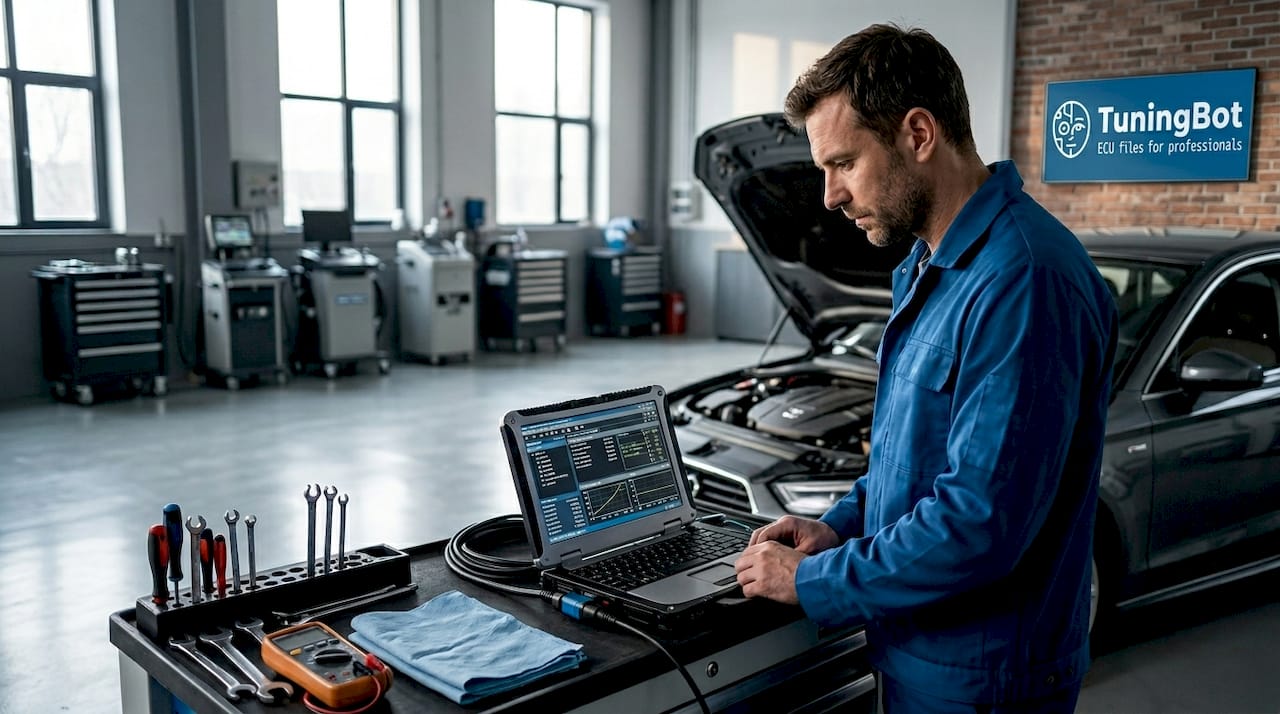
Работа по коду tuning, которая на бумаге выглядит успешной, может все же обернуться проблемами для вашей мастерской уже через несколько дней. Клиенты могут вернуться с автомобилями, у которых двигатель mod работает неровно, на холостом ходу, загораются предупреждающие лампочки или возникают проблемы со связью с ЭБУ. Когда причины таких обращений прослеживаются до первоначальной сессии original tuning, часто выявляется следующая закономерность: Распространенные ошибки, допускаемые автосервисами при работе с ЭБУ tuning не всегда вызваны самим файлом калибровки. Многие сбои возникают из-за нарушений процедур, пропущенных этапов диагностики, неполных резервных копий, нестабильного электропитания и недостаточной проверки результатов после настройки.
В этой статье подробно рассмотрены наиболее серьезные ошибки, допускаемые на производстве, а также практические способы их устранения, которые помогут сократить количество предотвратимых проблем, связанных с tuning.
Оглавление
- Ключевые выводы
- 1. Распространённые ошибки, допускаемые автосервисами при работе с ЭБУ tuning: запись новых кодов неисправностей tuning поверх уже имеющихся
- 2. Пропуск идентификации ЭБУ, полное резервное копирование и стабильное питание
- 3. Недостаточная регистрация данных после remap
- 4. Неверное толкование схем распиновки ЭБУ и разъема orientation
- 5. Пренебрежение вспомогательными системами: сцеплением, коробкой передач, сажевым фильтром, системой рециркуляции отработавших газов и техническим обслуживанием
- 6. Неспособность проверить настройку в реальных условиях нагрузки
- Соблюдение технологического режима на производстве — вот что позволяет избежать большинства случаев возврата продукции по модели tuning
- Как TuningBot помогает вашей мастерской избежать дорогостоящих ошибок tuning
- ЧАСТО ЗАДАВАЕМЫЕ ВОПРОСЫ
Ключевые выводы
| Точка | Детали |
|---|---|
| Диагностируйте перед настройкой | Перед загрузкой любого remap file необходимо просканировать коды неисправностей (DTC), проверить текущие данные и убедиться в исправности механических узлов. |
| Полное резервное копирование является обязательным | Запишите и проверьте резервную копию ЭБУ перед началом любой операции записи, если это позволяют протокол и инструмент. |
| Стабильное питание предотвращает повреждение ЭБУ | Используйте регулируемый источник питания во время сеансов прошивки, чтобы снизить риск потери связи и незавершенной записи. |
| Записывайте с адекватными частотами дискретизации | Где это поддерживается инструментом, регистрируйте критические параметры с достаточно высокой частотой, чтобы фиксировать кратковременные переходные события. |
| Каждый раз проверяйте распиновку orientation | Подтвердите сторону разъема, номер детали ЭБУ, аппаратную и программную версии перед подключением или записью. |
1. Распространённые ошибки, допускаемые автосервисами при работе с ЭБУ tuning: запись новых кодов неисправностей tuning поверх уже имеющихся
An Электронный блок управления управляет ключевыми функциями двигателя, такими как впрыск топлива, зажигание, регулирование холостого хода, алгоритмы, связанные с кодом boost, а также корректировки на основе данных датчиков. Код remap изменяет рабочие параметры данной системы, в связи с чем уже имевшиеся механические или электронные неисправности могут проявиться более явно после появления кода tuning.
Наиболее распространенные существующие проблемы, с которыми может столкнуться ваша мастерская, включают:
- Отказы управления наддувом, проявляющиеся только под полной нагрузкой на турбированных двигателях
- Коды ошибок EGR и DPF, которые были стерты, но не были должным образом диагностированы
- Ошибки правдоподобия давления топлива и дрейф датчика MAP
- Неисправности цепи свечей накаливания в дизельных двигателях, которые могут способствовать проблемам с запуском в холодную погоду
- Неисправности датчика температуры всасываемого воздуха, влияющие на расчеты топливоподачи и нагрузки
Автомобиль с периодической неисправностью системы управления boost может перейти в аварийный режим mode сразу после завершения этапа 1 (remap) не потому, что файл обязательно содержит ошибки, а потому, что при повышенной нагрузке система больше не работает с прежним запасом прочности. Настройка калибрована для автомобиля, не имеющего механических неисправностей. Если исходное состояние автомобиля не соответствует норме, конечный результат становится непредсказуемым.
Совет: Включите диагностику перед настройкой в рабочий процесс вашей мастерской и в расценки. Полное сканирование кодов неисправностей (DTC), проверка данных в режиме реального времени, проверка на утечку по коду boost (если это необходимо) и базовый механический осмотр обычно обходятся дешевле, чем один случай повторного обращения, которого можно было бы избежать. Клиенты, отказывающиеся от диагностики до выполнения кода tuning, зачастую являются теми же самыми клиентами, которые впоследствии ожидают бесплатного поиска неисправностей.
Правильная диагностическая сортировка — основа успешного выполнения процедуры remap. Сначала устраняйте неисправности, а уже потом проводите настройку. Эту последовательность действий следует рассматривать как неотъемлемую часть профессионального рабочего процесса tuning, а не как дополнительную опцию.
2. Пропуск идентификации ЭБУ, полное резервное копирование и стабильное питание
Современные инструменты программирования ЭБУ, такие как Alientech KESS3 и АвтоТюнер зависит от правильной идентификации автомобиля, ЭБУ, протокола и программного обеспечения. Пропуск этого этапа идентификации увеличивает риск использования неправильного протокола, неправильной структуры файла или неправильного метода подключения.
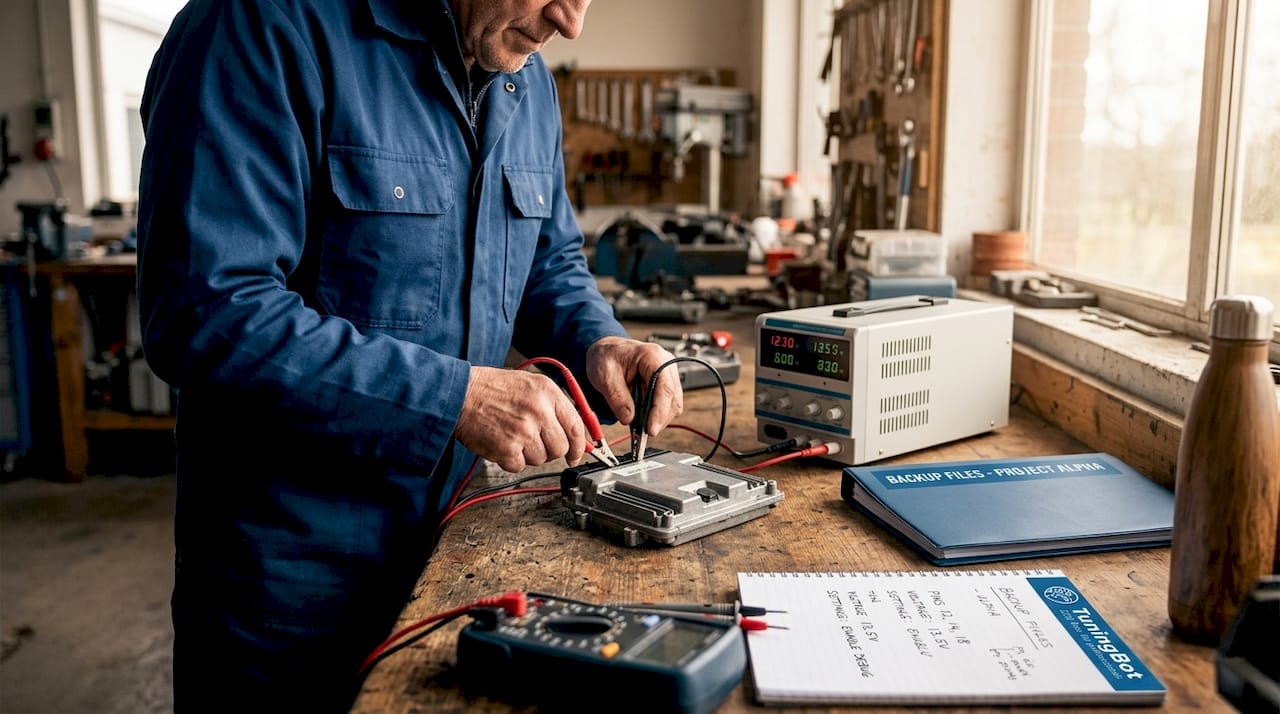
Проверенная резервная копия предоставляет вашей мастерской точку восстановления на случай сбоя записи, выбора неверного файла или зависания блока управления двигателем (ЭБУ). Всякий раз, когда инструмент и протокол позволяют это, следует сохранить полную копию прочитанных данных перед записью чего-либо обратно в ЭБУ.
Не менее важным является вопрос о питании. Падения напряжения и помехи в линиях питания во время перепрошивки могут привести к потере связи или неполной записи данных, что в обоих случаях может привести к тому, что ЭБУ перейдет в нереагирующее состояние. Во время сеансов перепрошивки по OBD, на стенде или с помощью boot-mode следует использовать стабилизированный блок поддержки аккумулятора или лабораторный источник питания в соответствии с инструкциями производителя инструмента.
Ваш предваряющий флэш-опрос должен включать:
- Перед записью подтвердите номер детали ЭБУ, аппаратную версию, версию программного обеспечения и протокол
- Проверьте, актуальны ли прошивка инструмента и программное обеспечение для рассматриваемого семейства ЭБУ
- Произведите полное считывание и сохраните резервную копию файла как минимум в два разных места, если это возможно
- Подключите регулируемый источник питания перед тем, как начать любую операцию записи
- При необходимости отключите или изолируйте высокотоковые нагрузки, такие как вентиляторы, фары, системы отопления, вентиляции и кондиционирования воздуха, а также устройства доступа ories
Совет: Не полагайтесь только на аккумулятор автомобиля во время длительных или чувствительных операций программирования. Даже исправный аккумулятор может просесть под нагрузкой. Используйте профессиональное устройство поддержки аккумулятора или регулируемый источник питания с достаточной силой тока для конкретного автомобиля и рабочего процесса.
3. Недостаточная регистрация данных после remap
Недостаточный объем записей — это одна из самых простых ошибок, которых можно избежать, и одна из самых сложных для обоснования в случае поступления жалобы. Краткая тестовая поездка без полезных данных не доказывает, что тюнингованный автомобиль безопасен, устойчив или правильно адаптирован к конкретным условиям эксплуатации заказчика.
Параметры, которые ваша мастерская должна регистрировать во время посттюнинговой проверки, включают:
- Обороты двигателя и положение дроссельной заслонки
- Абсолютное давление в коллекторе (MAP), заданное значение boost и фактическое значение boost (при наличии данных)
- Соотношение воздух-топливо (AFR) или lambda, предпочтительно с надежного широкополосного источника, если это возможно
- Угол опережения зажигания и значения коррекции или задержки детонации на бензиновых двигателях
- Температура всасываемого воздуха (IAT) и температура охлаждающей жидкости
- Давление топлива, включая давление в топливной рампе бензиновых и дизельных двигателей с непосредственным впрыском
- Запрос крутящего момента, ограничение крутящего момента и каналы, связанные с дымностью/ограничителем, где это возможно.
Ведение журнала превращает показатель tuning из субъективной оценки в поддающуюся проверке запись. Без него мастерская не сможет достоверно отличить правильно настроенную двигательную установку от той, которая работает на пределе возможностей лишь при определённых условиях нагрузки, температуры или числа оборотов.
Если ваш инструмент поддерживает такую возможность, используйте достаточно высокую частоту дискретизации, чтобы фиксировать короткие переходные явления. При очень низкой частоте дискретизации могут быть упущены кратковременные детонации, всплески boost, отклонения напряжения на шине или события коррекции lambda. Точное значение зависит от прибора, ЭБУ, списка PID и метода подключения, но принцип прост: лучше регистрировать меньшее количество критически важных каналов с более высоким качеством, чем слишком много каналов с частотой, при которой важные события остаются незамеченными.
Стандартизируйте условия тестирования, где это возможно: одинаковая настройка дороги или динамометра, одна и та же передача, сопоставимая температура окружающей среды, контролируемый диапазон оборотов и последовательный просмотр логов перед выдачей. Это устраняет избегаемые переменные и помогает выделить реальный эффект калибровки.
4. Неверное толкование схем распиновки ЭБУ и разъема orientation
Неправильное толкование схем распиновки ЭБУ, особенно в результате зеркального отражения разъема orientation, является распространенной ошибкой в мастерских. Если техник рассматривает схему распиновки со стороны жгута проводов, а не со стороны ЭБУ, нумерация может быть зеркально отражена. Подключение щупа к контакту, который кажется правильным, на самом деле может означать подключение к неправильной цепи.
Таблица ниже показывает практическую разницу между двумя точками зрения:
| Перспектива | Нумерация контактов | Риск при замешательстве |
|---|---|---|
| Сторона ЭБУ | Ссылка зависит от схемы и расположения разъемов производителя ЭБУ | Исправить только в том случае, если перспектива диаграммы соответствует используемому физическому разъему |
| Жгут проводов | Часто зеркально отражено по сравнению с видом со стороны ЭБУ | Неправильное зондирование цепи, ложные показания, отказ связи или возможное повреждение цепи |
При работе в режиме «bench» или «boot mode» с такими инструментами, как Magicmotorsport Flex, перед подачей питания необходимо проверить разъем orientation, распиновку и выбранный протокол. Даже электронные блоки управления с похожими названиями могут иметь разную аппаратную компоновку, версии программного обеспечения и требования к подключению.
При тестировании цепей под напряжением используйте разветвительную коробку, специальные адаптеры или соответствующие контакты для обратного зондирования. Проколы изоляции проводов или принудительное введение измерительных проводов в герметичные полости разъемов могут нарушить герметичность разъема и привести к появлению прерывистых неисправностей, которые диагностировать гораздо сложнее, чем исходную проблему.
5. Пренебрежение вспомогательными системами: сцеплением, коробкой передач, сажевым фильтром, системой рециркуляции отработавших газов и техническим обслуживанием
Увеличение крутящего момента при выполнении процедуры remap может выявить пробуксовку сцепления, резкие переключения передач, проблемы с регенерацией сажевого фильтра (DPF) и недостатки в техническом обслуживании автомобилей, которые и без того эксплуатировались на пределе своих механических возможностей. Заявку на проведение работ 2-го этапа (Stage 2) для автомобиля с изношенным сцеплением, ненадлежащей историей технического обслуживания или сильно загруженным DPF не следует рассматривать как обычную работу по коду tuning без проведения дополнительных проверок.
Система поддержки проверяет, что в вашем рабочем процессе должно быть выполнено следующее перед подтверждением встречи по коду tuning:
- Состояние сцепления: проверка на пробуксовку под нагрузкой, особенно на дизельных автомобилях с высоким крутящим моментом
- Состояние коробки передач: состояние и уровень АТФ в автоматических коробках передач, статус интервала обслуживания DSG/DCT, а также проблемы адаптации, где это применимо
- Данные о саже и золе сажевого фильтра: проверяйте данные в режиме реального времени, если они доступны, а не только отсутствие сигнальной лампы.
- Работа клапана EGR: убедитесь, что клапан движется свободно и правильно герметизирует, если он остается частью законной конфигурации для использования на дороге
- Моторное масло: спецификация, уровень и интервал обслуживания, особенно в условиях повышенного крутящего момента и тепловой нагрузки
Техническое обслуживание часто списывают на ответственность клиента, но когда свежеотремонтированный автомобиль возвращается с жалобой на сцепление, проблему с дымом, неисправность сажевого фильтра или шум в двигателе, именно ваша мастерская первой попадает под подозрение клиента.
Совет: Добавьте в форму бронирования чек-лист вспомогательных систем. Прямо спросите клиента о состоянии сцепления, дате последнего обслуживания, индикаторах предупреждения, истории DPF и любых недавних ремонтах. Эта документация защитит вашу мастерскую и установит точные ожидания перед началом работ.
6. Неспособность проверить настройку в реальных условиях нагрузки
Тестирование на динамометре полезно для измерения и сравнения результатов, но не всегда позволяет воспроизвести все реальные профили нагрузки. Городская езда, длительное движение по автомагистрали, поведение при запуске на горячем двигателе и разгон с низких оборотов на высокой передаче — все это может оказывать на калибровку иное воздействие, чем контролируемый заезд на динамометре при полном открытии дроссельной заслонки.
Мастерские, которые пропускают контролируемую проверку на дороге, где это законно и безопасно, могут упустить неисправности, которые проявляются только в определенных условиях реального мира. Отключение подачи топлива при движении накатом, стабильность холостого хода после длительного замедления, снижение крутящего момента при переключении передач, контроль дымности, подача топлива при частичной нагрузке и поведение обогащения при холодном пуске — все это области, которые могут потребовать практической проверки, выходящей за рамки одного прогона на мощности.
Решение простое: проведите как минимум одну структурированную сессию валидации после настройки, после того как файл будет записан. Зарегистрируйте соответствующие диапазоны оборотов/нагрузки, включите проверки при легкой и частичной нагрузке и просмотрите данные перед возвратом автомобиля клиенту. Эта финальная проверка отличает профессиональную сдачу от надежды, что автомобиль не вернется.
Соблюдение технологического режима на производстве — вот что позволяет избежать большинства случаев возврата продукции по модели tuning
Большинство проблем с tuning, которых можно было бы избежать, вызваны неэффективной организацией рабочего процесса, а не какой-то одной отдельной ошибкой. Схема обычно одна и та же: отсутствие надлежащего предварительного сканирования, отсутствие надёжного резервного копирования, нестабильное электропитание во время записи, неполная информация о клиенте, отсутствие вспомогательных системных проверок и отсутствие надлежащей проверки данных после remap.
Мастерские, в которых наблюдается наименьшее количество повторных обращений, относятся к подготовке так же серьезно, как и к регулировке. Они взимают плату за диагностику. Они фиксируют состояние автомобиля. Они отказываются проводить настройку автомобилей, которые не готовы с механической точки зрения. Последний пункт зачастую является самым сложным с коммерческой точки зрения, поскольку отказ от заказа по схеме «tuning» может восприниматься как упущенная выгода.
На практике предотвращение одного случая возврата блока управления двигателем (ECU), одного спора по поводу сцепления или одной жалобы клиента может оказаться ценнее, чем принятие нескольких рискованных заказов. Соблюдение технологического порядка со временем укрепляет доверие. Кроме того, это позволяет вести четкий учет того, что было проверено, какие неисправности обнаружены и по каким причинам автомобиль был или не был признан пригодным для программы tuning.
Решением не всегда является более совершенное программное обеспечение. Во многих цехах реальное улучшение достигается за счет повторяемого, задокументированного и дисциплинированного выполнения тех этапов, которые, как уже известно, имеют решающее значение.
Как TuningBot помогает вашей мастерской избежать дорогостоящих ошибок tuning
TuningBot предоставляет профессиональные услуги по работе с файлами ЭБУ для автосервисов и tuners, которым требуется четко организованный и практичный рабочий процесс для обработки запросов, связанных с ЭБУ remapping. Цель заключается в сокращении числа предотвратимых ошибок за счет сбора необходимой информации об автомобиле, ЭБУ, инструменте и файле до начала обработки.
Для наилучших результатов всегда проверяйте, поддерживаются ли запрошенный блок управления (ECU), автомобиль и тип услуги, прежде чем размещать заказ. Используйте Покрытие для обслуживания ЭБУ страница для проверки совместимости и Настройте свой файл рабочий процесс, когда вы готовы отправить файл и необходимую информацию.
TuningBot разработан для совместной работы с распространенными профессиональными инструментами, используемыми в автомастерских, включая Alientech KESS3, AutoTuner, Magicmotorsport Flex, CMD, Dimsport и PCMFlash. Цель проста: обеспечить понятный процесс обслуживания файлов ЭБУ, избежать ненужных сложностей, связанных с предоплатой, и помочь автосервисам выполнять более качественную и четко документированную работу по tuning.
ЧАСТО ЗАДАВАЕМЫЕ ВОПРОСЫ
Какие ошибки при работе с ЭБУ tuning чаще всего допускают автосервисы?
К наиболее распространённым ошибкам относятся: работа с автомобилями tuning с неудалёнными кодами неисправностей, пропуск идентификации и резервного копирования ЭБУ, использование нестабильного питания во время процедур перепрошивки, неверное толкование схем распиновки, а также отсутствие проверки настроек с помощью надлежащего ведения журнала.
Почему стабильное электропитание имеет значение при прошивке ЭБУ?
Перепады напряжения во время сессии записи могут привести к потере связи или неполному прошиванию, оставляя ЭБУ в нерабочем состоянии. Регулируемый блок поддержки аккумулятора или лабораторный блок питания снижает этот риск и должен быть частью профессионального рабочего процесса прошивки.
Как часто мастерские должны проводить постоконную запись данных?
Каждый автомобиль, прошедший тюнинг, следует регистрировать после калибровки, если это возможно. Структурированная сессия проверки после тюнинга помогает подтвердить соответствие параметров boost, системы подачи топлива, угла опережения зажигания, температур, пределов крутящего момента и других критически важных параметров перед возвратом автомобиля заказчику.
Может ли изношенное сцепление привести к выходу из строя модели remap?
Изношенное сцепление само по себе не приводит к выходу из строя реmap file, однако увеличение крутящего момента может выявить проскальзывание сцепления, которое уже начало развиваться. Проверка состояния сцепления перед подтверждением бронирования пакета «Stage 1» или «Stage 2» помогает предотвратить подобные претензии.
Why do pinout orientation errors cause so many diagnostic problems?
Viewing a connector pinout from the wrong side can mirror the numbering and cause the technician to probe the wrong circuit. Confirming the correct perspective, ECU part number, connector side, and tool protocol before any diagnostic or bench work reduces this risk.