
 ItalianoIT
 DeutschDE
 EspañolES
 PortuguêsPT
 FrançaisFR
 РусскийRU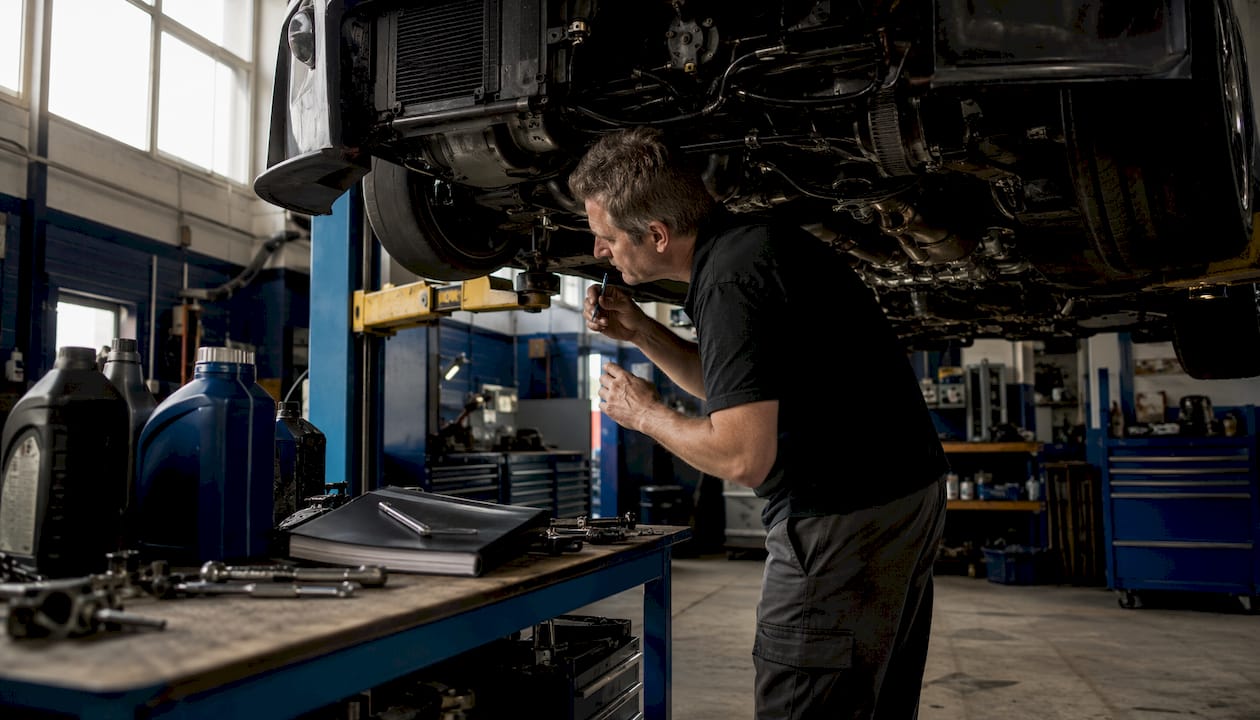
UK automotive workshop tuning can improve torque delivery, throttle response and drivability when the vehicle is mechanically healthy and the calibration is matched to its exact ECU software, fuel grade and intended use. The result should never be judged by one universal horsepower percentage. Professional tuning is defined by correct diagnostics, original-file backup, vehicle-specific calibration and post-remap validation.
- Power and torque: turbocharged engines often offer the greatest software-only headroom, but the safe result varies by platform and condition.
- Throttle response: driver-demand and torque-request maps can be refined without creating an abrupt or artificial pedal curve.
- Towing and load performance: stronger mid-range torque can reduce unnecessary gear changes when cooling, gearbox and clutch limits are respected.
- Fuel economy: may improve during steady driving, but additional torque does not automatically reduce consumption.
- Vehicle-specific calibration: should match the exact ECU ID, software version, hardware condition, fuel and intended use.
What types of automotive workshop tuning change in the vehicle?
Stage 1 ECU remapping
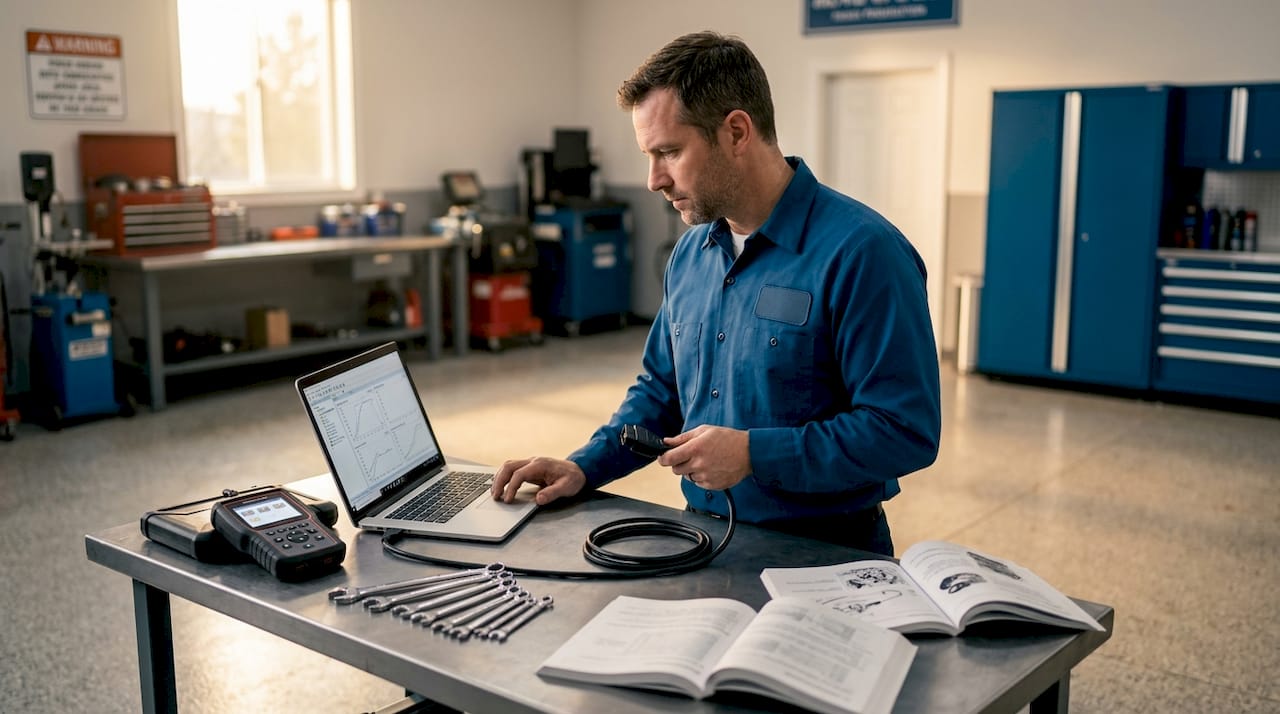
Stage 1 is normally a software-only calibration for a vehicle retaining standard hardware. The workshop identifies or reads the original ECU file, modifies the relevant torque, fuel, boost, ignition and protection strategies, then writes and validates the calibrated file.
Many vehicles can be accessed through OBD, while protected or newer ECUs may require Bench, service mode or Boot access. The correct method depends on the exact ECU hardware and software version. Pricing also varies by ECU, protocol and complexity, so a single universal UK starting price is misleading.
Stage 2 and higher-level builds
Stage 2 calibration is developed around installed hardware such as an intercooler, intake, exhaust or other supporting components. Hardware should be installed and verified before the final map is written. Stage 3 projects usually involve larger turbochargers, upgraded fueling and additional drivetrain or cooling work.
Torque-management calibration
Modern ECUs and TCUs use multiple torque models and limiters. A professional calibration does not simply remove those limits. It aligns driver demand, engine torque, gearbox capacity and component protection to produce progressive delivery without unnecessary torque spikes.
Naturally aspirated engines
Naturally aspirated engines generally provide less software-only power headroom than turbocharged engines. Their most noticeable improvements may come from ignition refinement, throttle response and smoother delivery rather than dramatic peak-power gains.
Pro Tip: Ask the workshop how it identifies the current ECU software and how the original calibration is stored. A professional workflow should always preserve a verified recovery file.
How workshop tuning can affect fuel economy and running costs
Economy improvements must be measured, not promised. A torque-focused calibration can help a diesel or turbocharged petrol vehicle maintain speed with less throttle or fewer downshifts, but fuel use still depends heavily on driver behavior, route, load and traffic.

| Factor | How it affects the result | What to measure |
|---|---|---|
| Annual mileage | Higher mileage increases the value of any genuine economy improvement | Actual annual mileage |
| Duty cycle | Motorway, urban, towing and short-trip use produce different outcomes | Route and load data |
| Driving style | Aggressive use of the added torque can eliminate savings | Before-and-after consumption |
| Fuel price | Changes the monetary value of each MPG improvement | Current average fuel cost |
| Calibration cost | Varies by ECU, access mode and service complexity | Public or written quote |
For a useful assessment, record consumption over several full tanks before and after tuning under comparable conditions. Dashboard estimates alone are not a reliable financial calculation.
How bespoke tuning changes the driving experience

The first noticeable change is often the shape of torque delivery rather than the peak number. A well-developed map can reduce unnecessary pedal filtering, improve turbo response and remove flat spots while keeping power progressive.
For towing, vans and loaded vehicles, the calibration should prioritize usable mid-range torque rather than an aggressive low-RPM spike. Towing temperatures still depend on vehicle mass, gearing, ambient conditions and cooling-system capacity; software cannot replace inadequate hardware.
- More predictable pedal and torque response
- Stronger mid-range acceleration where the engine and drivetrain allow it
- Reduced gear hunting when ECU and TCU strategies are matched
- Smoother delivery across normal road speeds
- Calibration adapted to the stated fuel grade and duty cycle
Why technician expertise and process determine the result
Diagnostic checks and vehicle-specific calibration are central to reliable ECU tuning. The technician, file engineer, tools and validation process all matter; no single element can compensate for weaknesses in the others.
- Pre-tuning scan: read stored and pending DTCs and preserve freeze-frame information.
- Mechanical assessment: verify ignition, fueling, boost control, filters, cooling and drivetrain condition.
- ECU identification and backup: confirm hardware and software numbers and store the original file securely.
- Calibration: adjust the relevant torque, fuel, boost, ignition and protection strategies together.
- Post-write validation: check DTCs and log requested versus actual values under controlled conditions.
- Handover: document the work and explain insurance, warranty, fuel and maintenance requirements.
A remap is not a repair. Software cannot correct worn injectors, weak ignition components, boost leaks, blocked filters or an overheating cooling system.
Preserving the original file allows the calibration data to be restored, but this does not guarantee that flash counters, learned values, dealer records or warranty-detection mechanisms return to their previous state.
What is genuinely UK-specific?
There is no single universal “UK map.” A vehicle-specific calibration may account for the fuel grade actually used, local climate, towing requirements, road use and insurance obligations. These practical inputs matter more than the country label.
Owners should notify their insurer of performance modifications and confirm potential warranty implications before proceeding. Restoring the original software later does not automatically remove all evidence that the ECU was previously programmed.
How TuningBot supports professional workshop tuning
TuningBot supports workshops that need calibrated ECU and TCU files without prepaid credit packages or opaque pricing. The workshop remains responsible for diagnosis, vehicle access, flashing, legal compliance and final validation.
Before ordering, workshops can:
- check ECU and TCU Service Coverage;
- review the public Price List;
- browse the available ECU services;
- upload the original ECU file directly.
TuningBot supports Alientech KESS3, AutoTuner, Magic Motorsport, CMD, Dimsport and PCMFlash, with engineer support for files that require technical clarification. For further guidance, see the professional ECU remapping guide, the checksum correction guide and the common ECU tuning mistakes guide.
The external overview of hybrid performance tuning also illustrates why modern powertrain calibration must consider electrical, thermal and mechanical systems together.
Key takeaways
| Point | Details |
|---|---|
| Gains vary by platform | Turbocharged engines often offer more headroom, but no universal percentage applies. |
| Economy must be measured | Fuel savings depend on route, mileage, fuel price and driving behavior. |
| Diagnostics are mandatory | Mechanical faults and stored DTCs should be addressed before calibration. |
| Original files support recovery | Software can be restored, but flash counters or dealer history may remain visible. |
| Insurance and warranty matter | Owners should disclose modifications and confirm implications before tuning. |
FAQ
What are the main benefits of getting a car tuned?
Potential benefits include stronger mid-range torque, improved throttle response and better integration with installed hardware. Exact power and economy gains depend on the vehicle and should be verified with logs or dyno data.
Is Stage 1 tuning worthwhile for a UK vehicle?
It can be a cost-effective upgrade for a healthy turbocharged vehicle when the calibration matches the exact ECU and the owner understands insurance, warranty and maintenance implications.
What are the disadvantages of tuning?
A remap may affect insurance and warranty coverage, increase load on drivetrain components and expose existing mechanical weaknesses. Poorly matched files can also cause drivability or reliability problems.
Does tuning void a vehicle warranty?
It may affect warranty coverage. Restoring the original file does not necessarily erase flash counters or dealer-visible evidence, so owners should confirm the implications before tuning.